
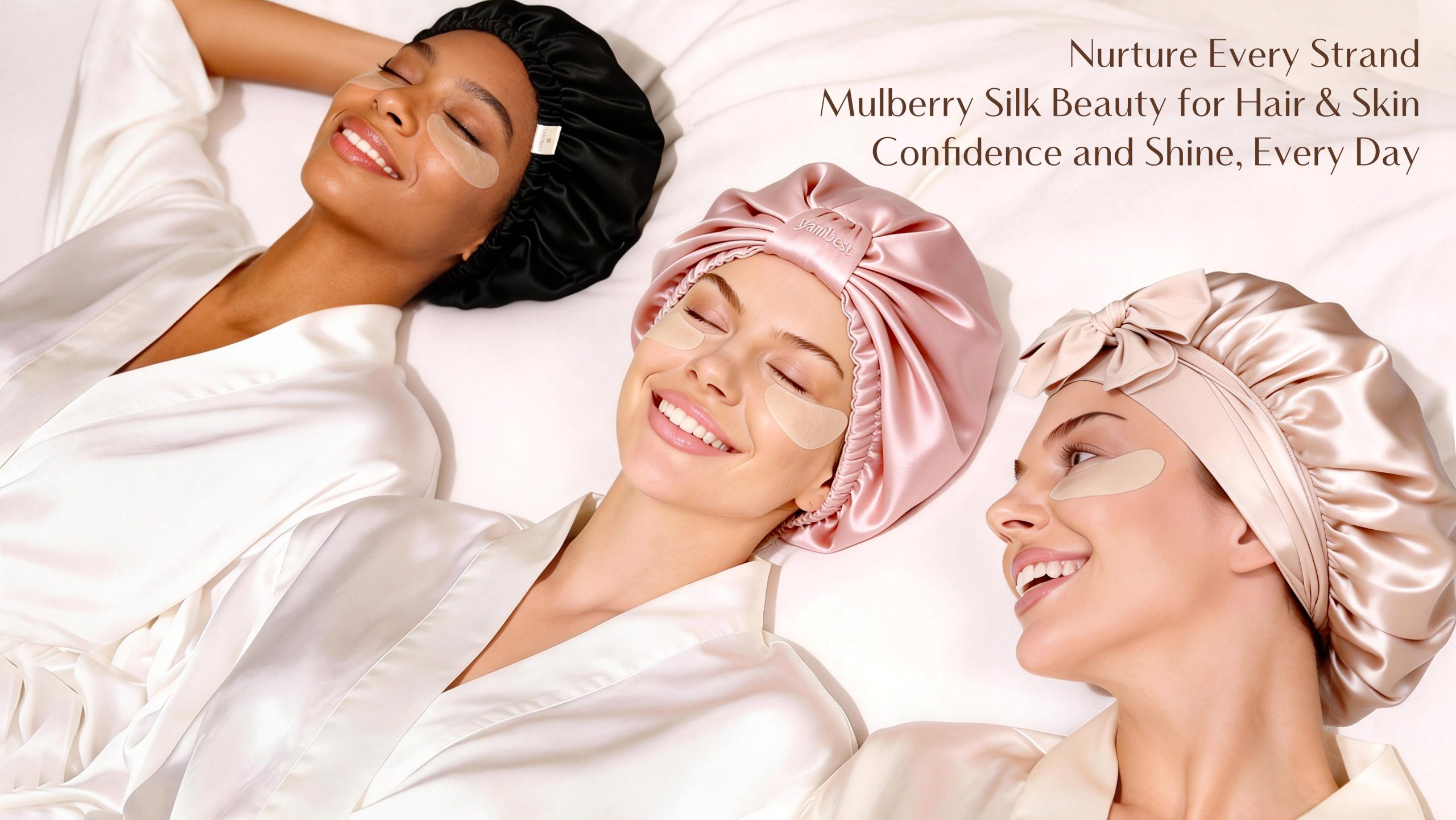
Quick comparison that tells you what to buy
Don’t waste sleep on pretty claims; let’s compare materials by the problem they solve. If your hair frizzes by morning, that’s a different fix than if you wake up with puffy eyes or sweat under the mask. Want the short version? Silk soothes skin and hair, satin mimics silk’s slickness at less cost, cotton breathes but can tug. I’ll point out trade-offs and real mistakes to avoid. Also—if you’re trying a head-to-toe anti-frizz approach, a satin lined beanie pairs well with many masks.

Silk: gentle, expensive, and kind to skin
Silk is the top pick when the problem is friction. It has a smooth weave that reduces tugging on lashes and hair. Good for sensitive skin. Downsides: cost and care. Hand wash or gentle cycle, otherwise you lose the feel. Don’t confuse “satin” labels with silk—mulberry silk lists fabric type. If you’re fighting creases and lines, silk masks cut contact irritation the most. Expect them to be pricier but worth it for delicate skin and worn hair.
Satin: the budget-savvy mimic
Satin behaves like silk for slipping and minimal friction but usually comes from polyester. It’s less fragile, cheaper, and easier to machine-wash. If you sweat at night, polyester satin can trap heat more than silk. Choose tight stitching and a soft lining—cheap satin flattens after a few washes. For sleepers who want silk-like benefits without the silk price tag, satin is the practical compromise. Also, satin’s sheen hides wear better than cotton.
Cotton: breathable, absorbent, but higher friction
Cotton breathes and soaks up moisture, which helps hot sleepers. It’s durable and launder-friendly. The catch: cotton’s texture increases friction, which can roughen skin and snag hair over time. Use cotton masks if you’re prone to night sweats or need easy care, but don’t expect anti-crease or anti-frizz miracles. A cotton mask with a satin or silk inner panel gives you the best of both worlds—breathability plus a gentle surface.
Match the material to the problem
Hair damage? Silk or satin. Puffy eyes and skin sensitivity? Silk. Night sweats? Cotton or ventilated satin. Budget-conscious but want smoothness? Satin. If your problem is fit—masks sliding off—none of this matters until you get the right strap and shape. Measure from ear to ear over the nose when checking size. Small mistakes in fit trump fabric benefits.
Common mistakes people make
Buying the prettiest pattern instead of checking inner fabric. Assuming “satin” equals silk. Using a heavy mask for hot nights. Washing silk on a harsh cycle and blaming the fabric for going limp. Picking one-size-fits-all when your head shape needs a contoured piece. These are avoidable. Read inner-fabric tags, check fill (if any), and test for stretch before committing.
Real-world testing and practical expertise
I’ve reviewed dozens of masks and chatted with stylists who prep talent overnight; one consistent pattern shows up at major fashion hubs like New York Fashion Week—stylists lean toward silky linings to protect hair under lights and quick changes. That observation lines up with product choices I recommend. For protective headwear tested in those environments, consider satin-lined options such as satin lined hats, which hold up under repeated styling and quick laundering.
Alternatives worth considering
Hybrid masks with a silk inner panel and cotton outer shell cut two problems at once. Mulberry silk beats generic silk blends for durability. If budget’s tight, choose high-denier satin and inspect seams. For hot sleepers, look for masks with mesh panels or moisture-wicking backing rather than full polyester satin. Pick based on the specific annoyance you’re fixing, not the label.
Final synthesis
Solve the real sleep trouble: silk for skin and hair care, satin for cost-savvy slip, cotton for breathability. Fit and construction matter as much as fabric. The solution that sticks together—fabric plus shape plus care—shows up in carefully curated collections, like choices you’ll notice when comparing quality and design at yanibest. Pick the material that addresses the single most annoying thing about your mornings, and ignore the rest.