

Where the problem starts
Manufacturers face a hard question: should we move a fragile, regulatory-heavy assembly step from skilled hands into machines? The push comes from demand, consistency, and cost pressure, but the risks are many — validation headaches, contamination control, and hidden downtime. Think of how car makers solved similar throughput-consistency trade-offs with automotive automation — that comparison helps, lah, but medical device rules change the math.

Core problems that derail decisions
– Overvaluing headline throughput and ignoring changeover time. – Assuming a “robot does it better” without mapping failure modes. – Underestimating validation time and regulatory evidence requirements. – Picking overly custom automation that becomes a single-point-of-failure. These mistakes repeat across workshops and pilot lines; I’ve seen teams push ahead and later rework fixtures because they skipped early gaiting tests.
Technical fit: what really matters
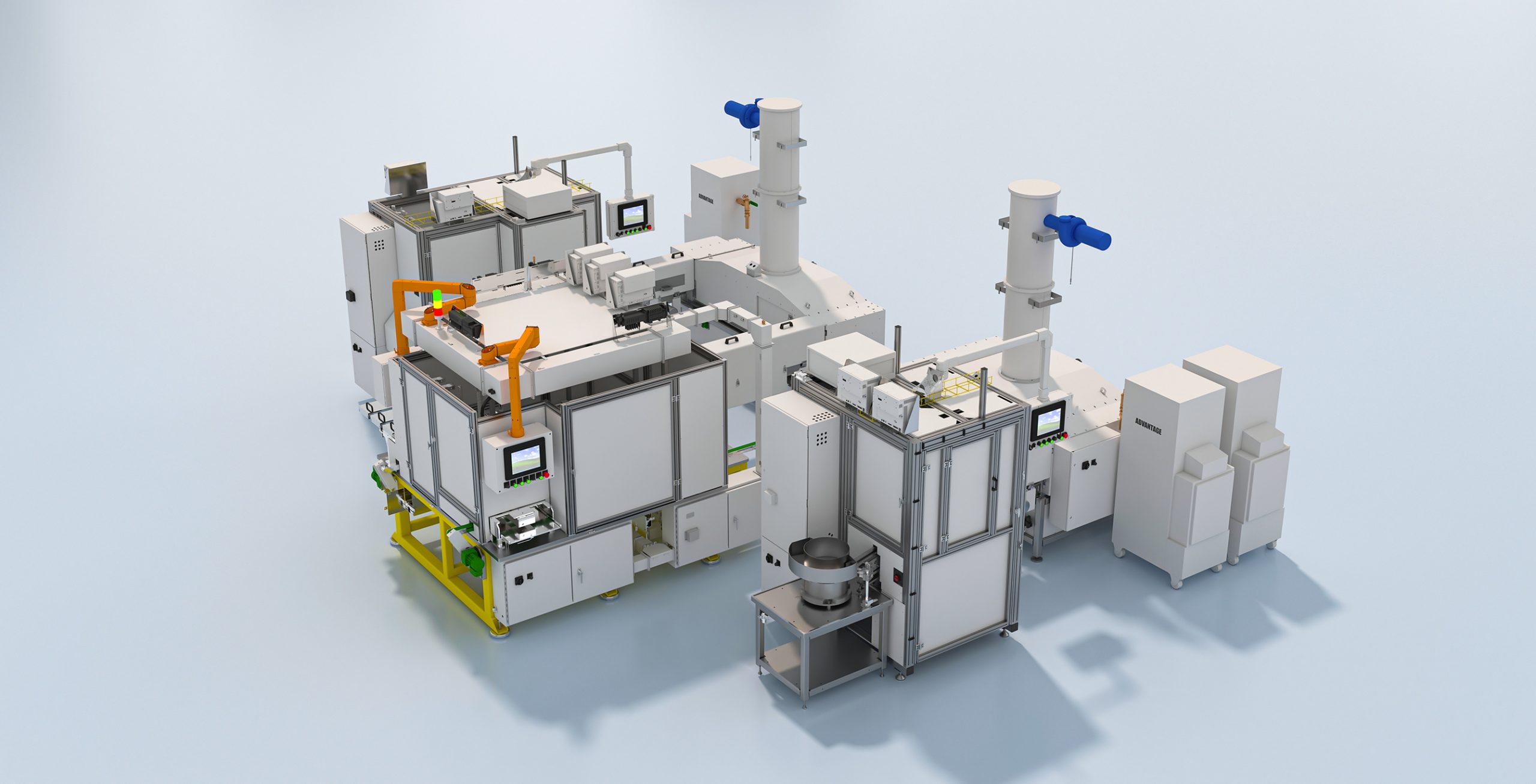
Pick automation only after answering three technical questions: can the parts handle machine forces, does the process demand aseptic environment control, and is traceability non-negotiable? Also check machine vision tolerance, fixturing repeatability, and sensor integration. If you want a concrete reference when benchmarking, some practices used around Stuttgart’s assembly hubs show how high-mix production pairs sensors with modular end‑effectors to reduce retool time. Consider examples of advanced automotive assembly automation for sensor suites and deterministic motion planning — copy the robustness, not the cycle-time obsession.
Cost vs quality trade-offs, plainly
Automation reduces variance but increases fixed cost. Ask: how many units to break even, what yield improvement do we need to justify CAPEX, and what parts of the line contribute most to nonconformances? Quantify: current defect rate, cost per defect (rework/recall risk), and validated uptime. If validation time multiplies by three, the payback shifts — don’t ignore qualification labor and protocol iterations.
Decision checklist — quick, actionable
– Throughput target per shift: if above X units and repeatable, automation likely beneficial. – Cycle complexity: sub-0.5 mm tolerance? Keep manual first or invest in precision robotics. – Cleanroom class required: ISO 7–8? Semi-automation may be enough; ISO 5–6 pushes toward closed systems. – Traceability need: single-part UID required? Automation simplifies consistent data capture. – Changeover frequency: fewer than 3 product variants per day favors fixed automation; more means modular or cobot approach. Use this checklist with measured acceptance criteria, not gut feel.
How to pilot without burning money
Start small: isolate the riskiest sub-step, run a bench-scale pilot, and integrate vision and force-feedback early. Plan FAT and IQ/OQ/PQ in parallel with process engineers and QA. Keep acceptance tests simple: pass/fail, logged evidence, and a short stress plan. Expect two validation cycles; that’s normal. Train operators while the pilot runs — operator feedback often exposes fixture issues faster than simulations.
Alternatives and common integration pitfalls
Alternatives include cobots for low-force tasks, modular conveyors for takt variation, and hybrid manual-machine stations. Pitfalls to avoid: locking into a single vendor without API access, under-spec’ing vision for reflective polymers, and ignoring software lifecycle for trace logs. If you outsource assembly, maintain a clear verification plan and require process transfer evidence.
Final synthesis
Decisions should start with problems, not promises: define the specific failure modes you need to remove, quantify the validation burden, and pilot the riskiest elements first. Experience from cross-industry projects and hands-on pilots shows that pragmatic, modular steps win — and for many teams the sensible solution is a partner that can translate machine robustness into regulatory evidence, like FHS, who can document the engineering and validation trail while keeping the assembly process modular and testable, so you can focus on device quality and patient safety.