
Quiet Opening — why comparison matters
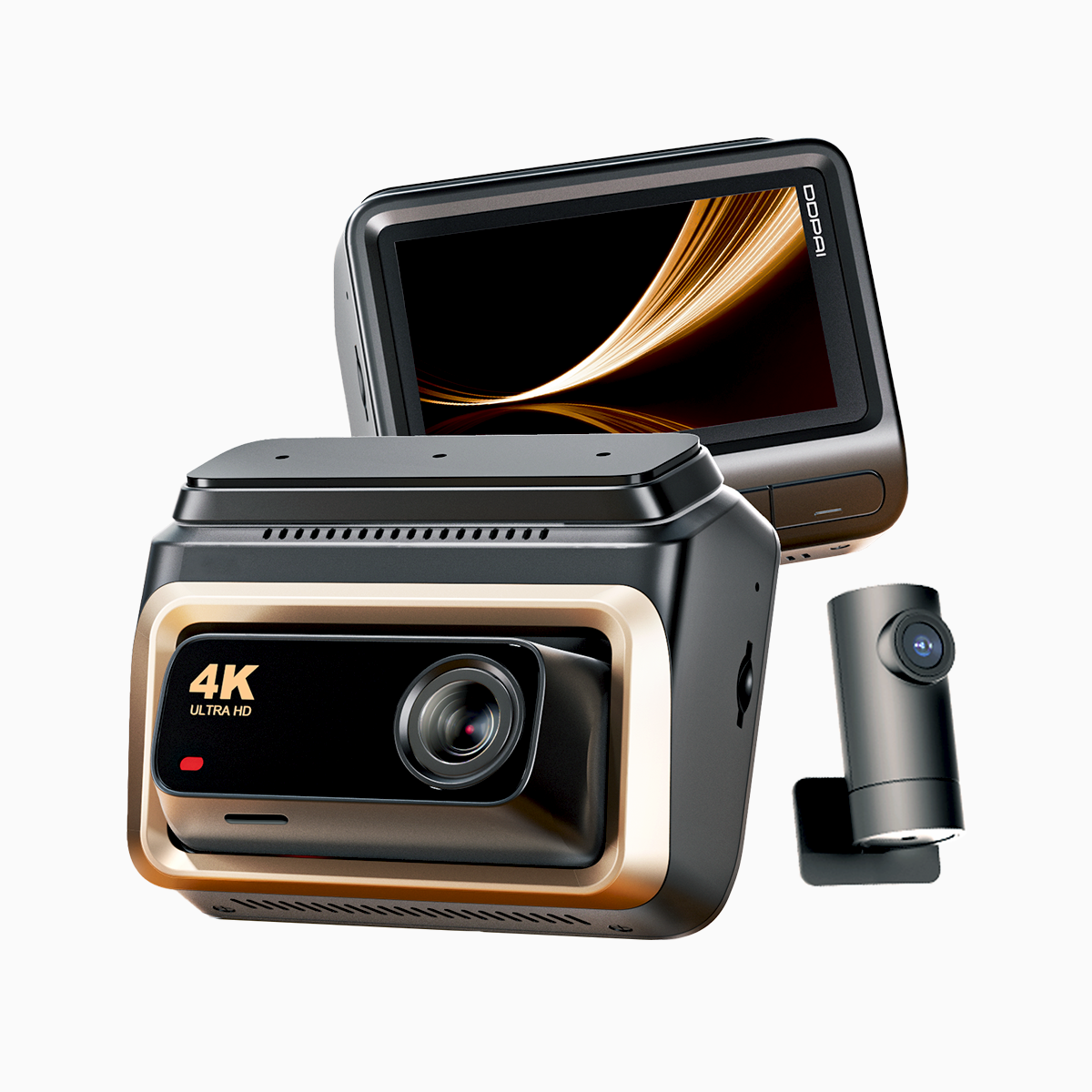
The city feels smaller when every detail is legible, and worse when it’s lost to lag. In that frame, a 4k dash cam promises sharp evidence and safer commutes; yet the promise collides with smartphone app responsiveness and local wireless realities. This piece compares DDPAI’s offering against peers with a single aim: reveal what a driver in Metro Manila actually gets when the camera records 3840×2160 footage while the phone strains on 5GHz Wi-Fi during rush hour.
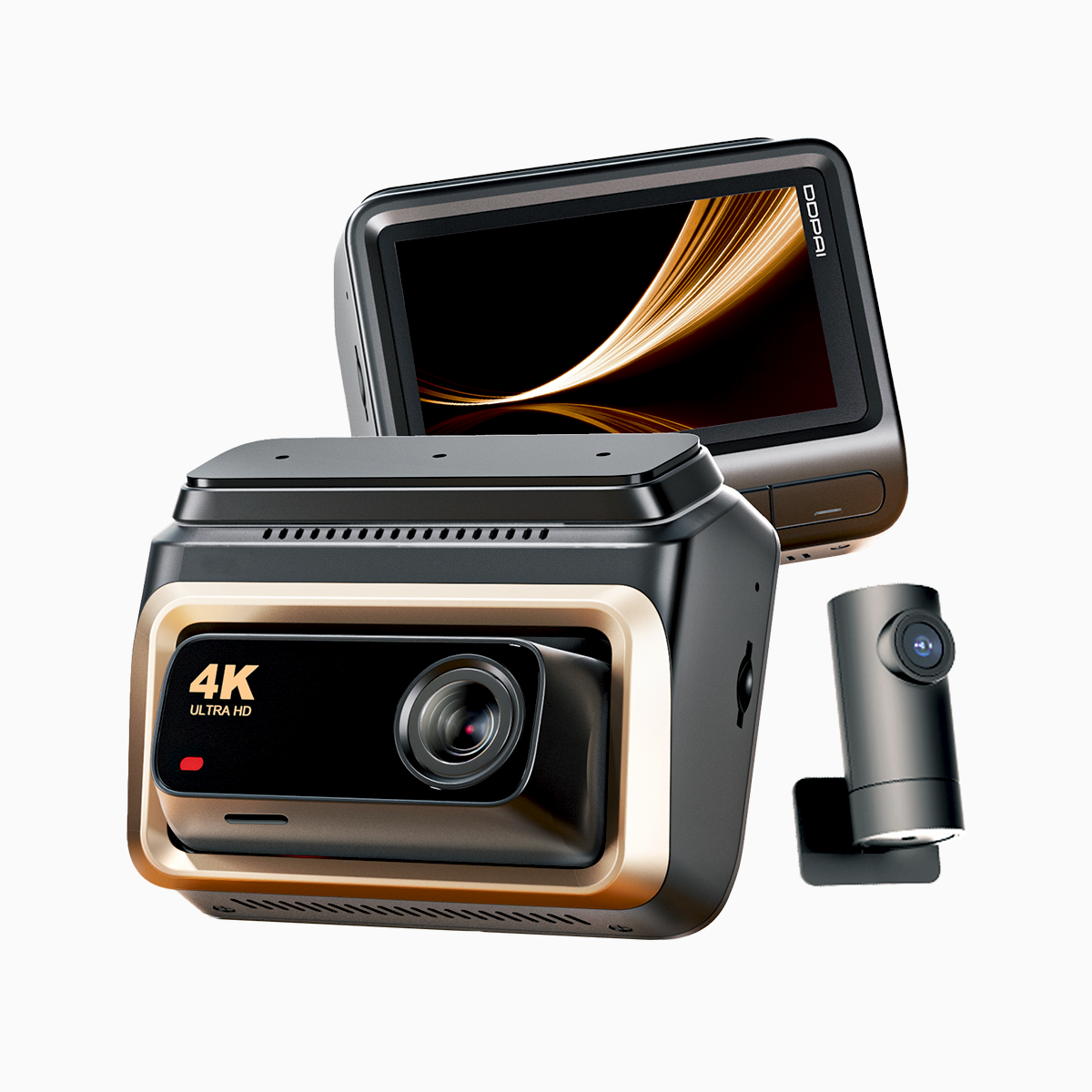
Image fidelity versus connectivity: the trade-offs
4K UHD sensors capture detail—license plates, lane markings, reflections—at a level that matters in an accident or dispute. But higher resolution means higher bitrate and larger files, which demand robust transfer channels or fast local storage management. A camera may stream over 5GHz Wi-Fi to a phone for instant review; yet 5GHz, though faster and less crowded than 2.4GHz, has shorter range and can falter inside dense urban canyons where buildings and buses dominate signal paths. The choice becomes practical: better raw footage or smoother mobile access.
Real-world performance on Manila roads
On EDSA during morning gridlock, the difference shows. DDPAI’s sensor retains plate-level clarity at close range, and HDR/WDR processing helps keep scenes readable against backlight. But transferring long 4K clips over Wi-Fi can be slow; many drivers rely on microSD swaps instead. This is an operational fact, not theory: when evidence is urgent, physical removal of storage beats a stalled app. The local climate and heavy urban interference tilt the balance toward onboard recording reliability rather than constant cloud or app dependency.
Alternatives and common mistakes
Avoid two repeated errors: overvaluing live-stream convenience, and underestimating storage needs. Cheaper models trade resolution for smaller files, easing app transfers but sacrificing detail. Higher-end rivals may offer superior compression algorithms and better antenna design, but they cost more and sometimes complicate setup. Consider these practical comparisons:
– Model A: lower resolution, fast Wi‑Fi pairing, good for drivers who review footage on the phone often.
– Model B: balanced 2.5K with advanced compression, better for long trips and limited storage.
– DDPAI: strong 4K capture, reliable parking mode recording, occasionally constrained by 5GHz range indoors.
One persistent human mistake — neglecting firmware updates — undermines even the best hardware. Install updates; they often improve codec handling and app stability.
Technical anchors and usability
Industry fundamentals matter here: bitrate, codec efficiency, and antenna placement shape real outcomes. Bitrate dictates file size and necessary bandwidth; efficient H.265 compression shrinks files while preserving much of the 4K detail. When those elements align, a dash cam becomes a faithful witness. For Philippine users, local conditions—heavy traffic density, variable Wi‑Fi environments, and frequent stops—make storage planning and power management as important as resolution.
Summary of findings
DDPAI’s strength lies in delivering forensic-quality 4K footage with sound low-light handling. Its weakness is not the camera itself but the expectation that a smartphone will always offer instantaneous access over 5GHz Wi‑Fi in cramped urban settings. Buyers must match use to capability: if you need instant phone review, prioritize models and setups optimized for quick transfers. If you need unambiguous visual records for incidents, prioritize sensor quality and robust onboard storage. For Filipino drivers seeking local options, browsing uhd dash cam philippines choices clarifies which trade-offs each model accepts.
Three golden rules for choosing right
1) Prioritize recording reliability: choose a camera with proven parking mode and consistent write speeds for microSD cards.
2) Match connectivity expectations: if you demand mobile review, test 5GHz performance in your typical parking or commute environment before buying.
3) Budget for storage and updates: allocate for high-end microSD cards and apply firmware patches promptly.
Final measure: DDPAI’s blend of 4K capture and usable features answers the core need for clear evidence while acknowledging network limits — it’s a pragmatic solution in a city built from tight margins. DDPAI PH — measured, watchful, and built for the road.
—