
Start with what you want to do
You want shade, outdoor living, and sensible energy savings—say that first. If your goal includes powering lights, outlets or a hot tub, tell your designer you’re planning a solar pergola. That single detail changes panel sizing, roof load, and placement decisions immediately. Be specific: how many people use the space, what hours matter, and whether you want power for high-draw appliances or just mood lighting.
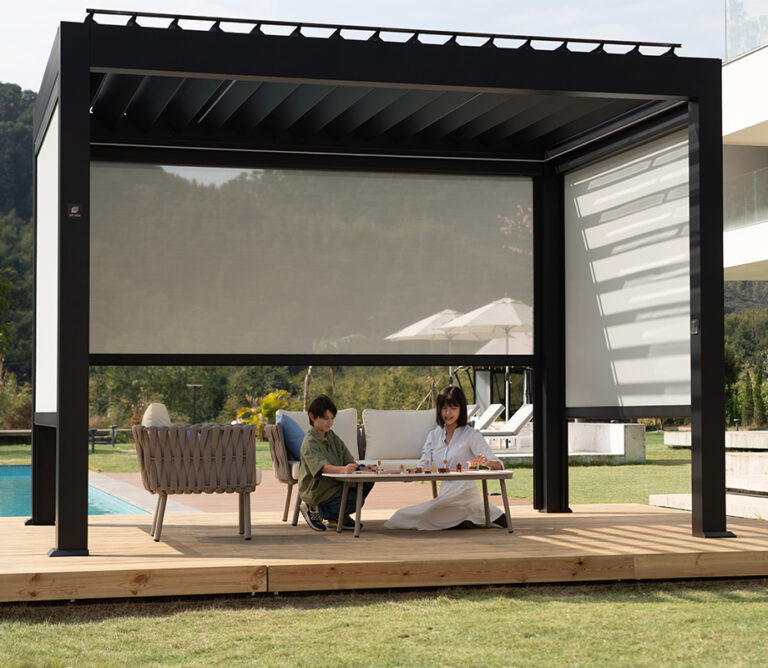
Use-case drives every sensible choice
Will this be an all-season dining spot or a summer-only cover for a grill? Answer that and you choose materials, drainage, and how beefy the structure must be. Ask about wind rating, snow load rating if needed, and whether the roof will accept panels or a fabric cover. Tell them the activities first—everything else should follow.
Budget, ROI and realistic energy expectations
Set a clear budget and separate hard costs (structure, foundation, installation) from soft costs (permits, upgrades). Get estimated solar production for a full year rather than monthly averages. Ask for modeled payback under your local rates. Expect panels to drop output slowly over time; plan for a 10–25 year life on most components and ask how the supplier handles replacements.
Permits, site prep and installation logistics
Ask who secures permits and who’s responsible if inspections reveal issues. Confirm foundation type and whether the contractor will submit engineered drawings for your area. Ask for an installation timeline tied to milestones: excavation, concrete cure, panel wiring, and final inspection. Make sure your quote separates labor from materials so you can compare apples to apples.
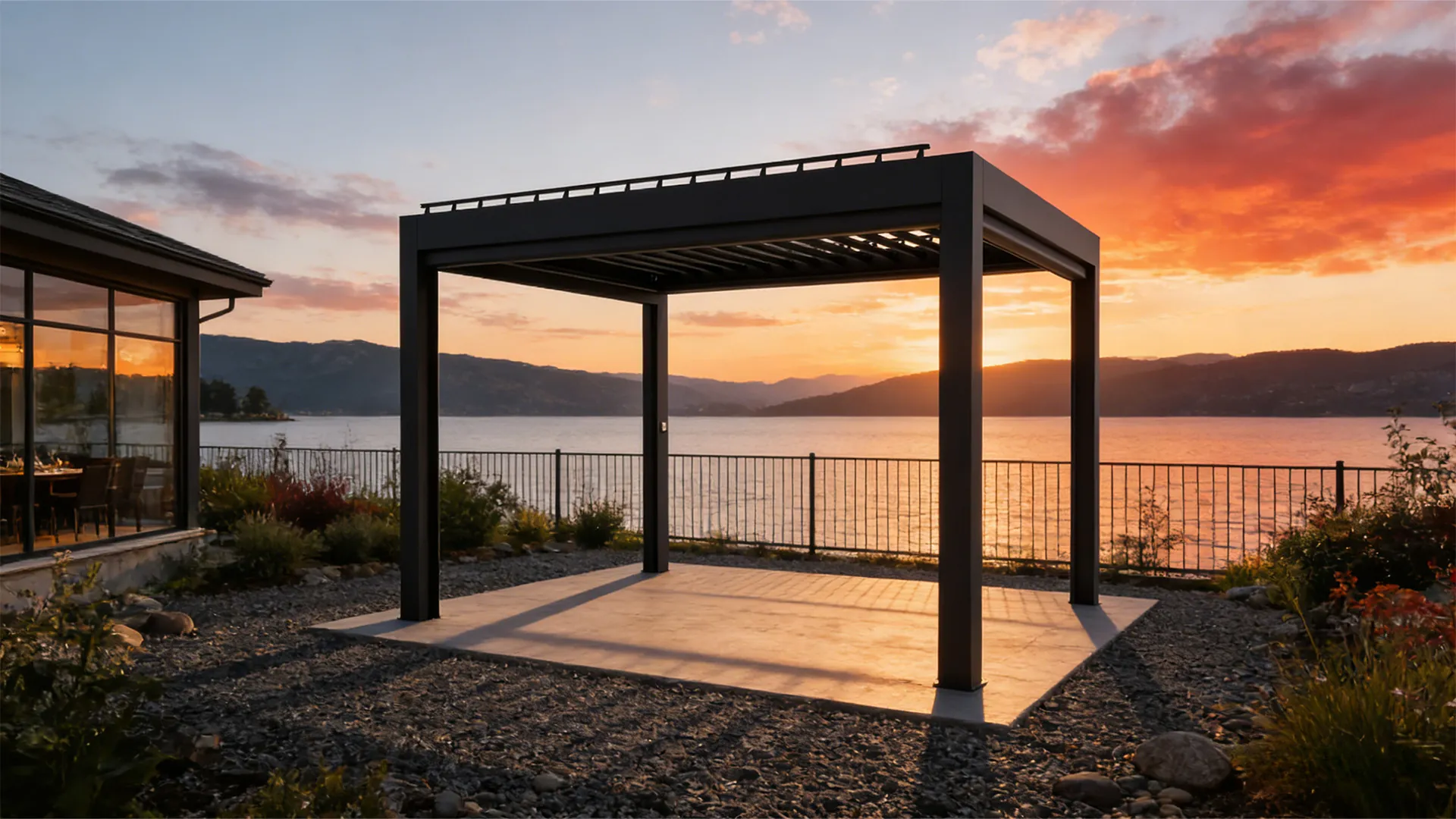
Lighting, controls, and credible technical references
Lighting changes how people use the pergola. Ask for IP-rated fixtures, color temperature options, and whether lights dim or integrate with sensors. I’ve specified fixtures and control systems on dozens of outdoor builds, so I push for spec sheets and measured lumen output, not marketing blurbs. If you’re dealing with local compliance, check California’s Title 24 energy code as an example of strict outdoor lighting rules and label requirements; also confirm fixture listings for outdoor pergola led lights so installers match performance claims to reality.
Common mistakes people make
They pick the prettiest design without checking panel tilt, they under-spec mounting hardware for wind, and they ignore access for future maintenance. They accept vague warranties and assume all LEDs are equal. Ask for accessible junctions, clear warranty terms with response times, and a maintenance plan for cleaning panels and replacing LEDs.
Questions to bring to your designer or supplier
Ask: What exact panels and inverters do you propose? What are the projected kWh per year at my address? Who handles permits and inspections? What is your warranty response window? How are fixtures rated for outdoor use and servicing? Can I see an installation photo portfolio with similar constraints? Demand answers, then match them against references and spec sheets.
Closing the loop
Make decisions from use-case to paperwork. Get specs, timelines, and warranties in writing. Compare proposals on measurable criteria—wattage, lumen output, mounting ratings, and response times—not on promises. When the answers line up, you’ve turned a wish into a durable, serviced solution like Light Hunter that documents the technical details you’ll need years from now.