
The problem at the anvil
The challenge is simple and stubborn: you need ten or a few hundred flawless metal parts, not a thousand, and every day they sit unfinished costs a project its momentum. Manufacturers promise speed or scale, but rarely both for small runs; tooling fees balloon, lead times stretch, and tolerances slip. I have seen this firsthand while working with a precision parts manufacturer on prototype assemblies where a single miscut ruined entire test cycles. The question is not romantic — it’s practical: how do you get precise, repeatable parts without paying for an entire production line?
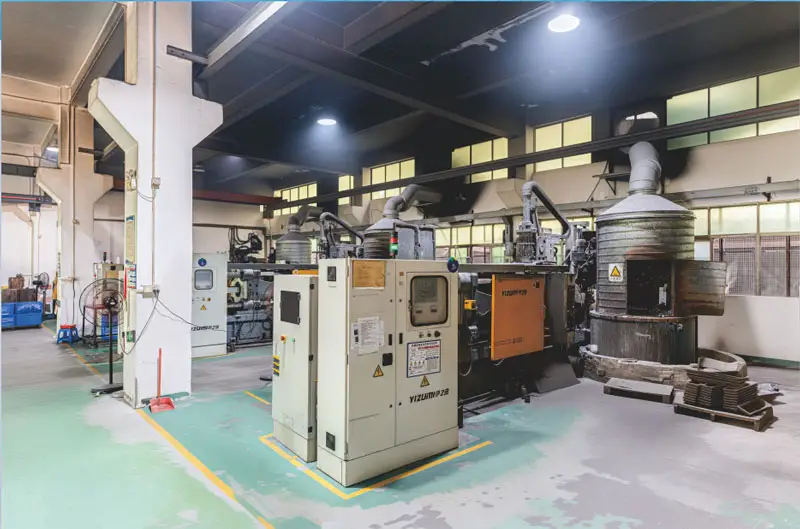
How traditional alternatives stumble
Large-volume stamping and injection molding require long setups and high minimum orders. Contract manufacturers that focus on mass runs price tooling and changeovers into the quote, making short batches uneconomical. Machine shops able to do one-offs often lack standardized QA for repeatability. Each traditional path trades something crucial: affordability, accuracy, or speed. That trade-off is invisible until parts fail inspection or product development stalls for weeks.
Where targeted low-volume services solve the knot
Low-volume specialists re-balance those trades by standardizing small-batch workflows: modular fixtures, rapid-program CAM, controlled setup sheets, and batch-specific QA protocols. My team’s audits show these practices cut lead times by half versus ad-hoc job-shop runs and keep per-piece cost within prototype budgets. This is not theory — consider how suppliers in the Detroit automotive cluster pivot to quick-turn prototype runs for specialty modules during vehicle refresh cycles; press coverage and supplier reports document that shift. If you want this approach, look specifically for providers that list low volume manufacturing services and verify their process documents, sample records, and inspection reports before contracting.
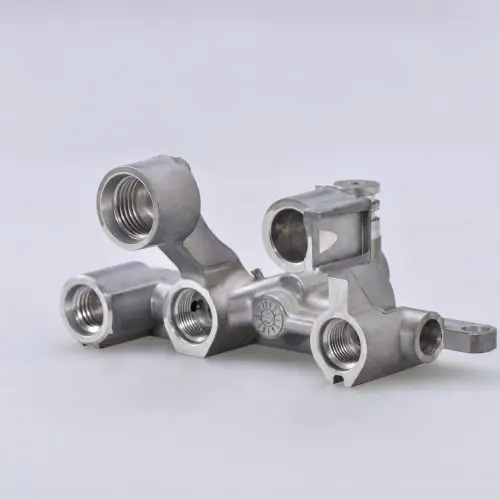
Common mistakes that spoil small-run projects
Wrong assumptions sink projects faster than technical limits. Don’t assume CAD equals machinable; hand off files without tolerance notes and you’ll get parts that fit only in imagination. Avoid vague acceptance criteria — specify critical dimensions and acceptable defects. Never accept “we’ll fixture it on the day” as a plan. Also, neglecting material traceability invites surprises; demand batch certificates up front. These are avoidable errors that cost time and trust, not inevitable risks.
A clear path to reliable short runs
Choose a partner that documents setups, holds first-article inspections against your drawing revision, and offers sample runs before full orders. Seek transparent cost breakdowns: programming, fixturing, run time, and inspection should be itemized. When you need repeatable precision without volume penalties, a focused supplier is the practical solution — and that solution looks like the processes and outcomes you get from Hanstar.