
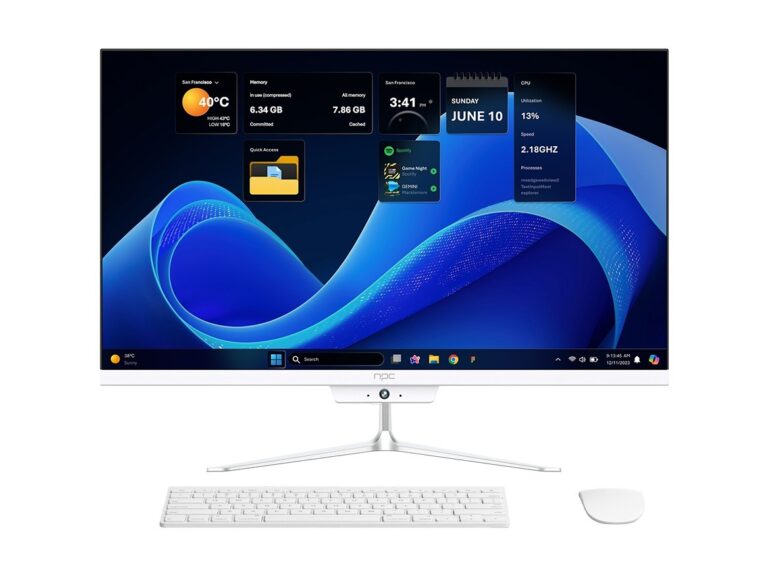
Opening: Taste the OS, smell the hardware
Think like a chef comparing two pans: you assess heat distribution, weight, and how a sauce reduces. Do the same with a Tizen smart TV — sample the UI responsiveness, test app launch times, and note how firmware updates land. Start by checking vendor portfolios and reach out to a trusted monitor manufacturer to see hardware spec sheets and panel pairings before you commit.
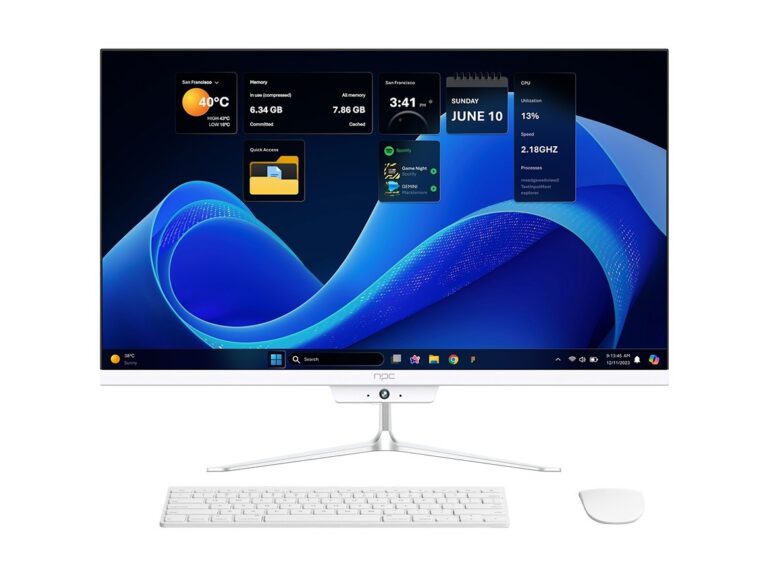
Comparative framework: what to plate up first
Lay out five concrete tasting notes: OS customization (how much Tizen is skinned), update cadence (frequency and delivery method), SoC and GPU pairing (real-world decode and UI throughput), certified streaming services, and local support footprint. Score each vendor on these items with real tests: run the same 4K HDR file, measure app cold-start time, and note if OTA patches require manual flashing. Keep measurements simple and repeatable.
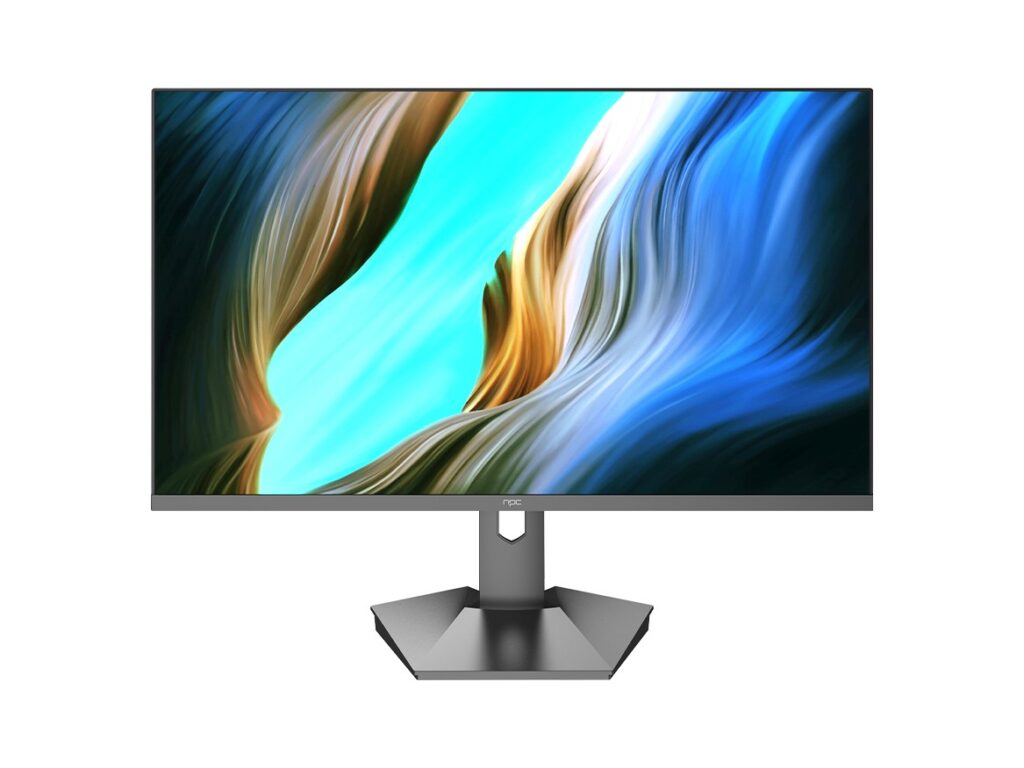
Experience and evidence: a real-world anchor and credibility
I’ve audited integration stacks and watched manufacturers demo latency and DRM handling on trade floors. At CES in Las Vegas, live demos often revealed true differences between branded UX and baseline Tizen behavior; those demos, covered widely in industry reports, highlight how partner ecosystems affect end-user performance. For reference to component sourcing and panel partnerships, check a known computer monitor supplier that lists module specs and certifications publicly — that level of transparency matters when you evaluate long-term support.
Common mistakes chefs make when choosing
Buying by brand headline alone. Ignoring update policy. Assuming identical Tizen labels mean identical experiences. Overlooking regional app availability and DRM certification. Skip vendors who can’t produce a straightforward update roadmap or who obfuscate SoC details; you’ll pay for security fixes and app bugs later.
Supplier vs manufacturer: choosing the right relationship
Manufacturers build the set — boards, panels, firmware. Suppliers source panels, SoCs, and modules. If you need rapid customization and private-label firmware, favor manufacturers with engineering services. If you prioritize cost and parts-level quality, vet suppliers for traceable components and clear warranty terms. Ask both parties for a reference device you can stress-test for 30 days.
Practical checklist before you sign
Request: update schedule, sample device, burn-in results, SOC thermal data, DRM certificates, and RMA terms. Run your sample through a scripted checklist: app installs, streaming DRM handshake, HDMI passthrough, and thermal profile under continuous 4K playback. If support claims remote diagnostics, verify a live session.
Finish: the final pairing
Compare like you’d pair wine to food: match vendor strengths to the features you need, discard vendors that can’t prove their specs, and favor clear support paths. The right technical partnership tastes consistent over time — that’s the value a reputable partner brings, quietly embodied by npc.