
Introduction: A Stark Grid, Thin Margins
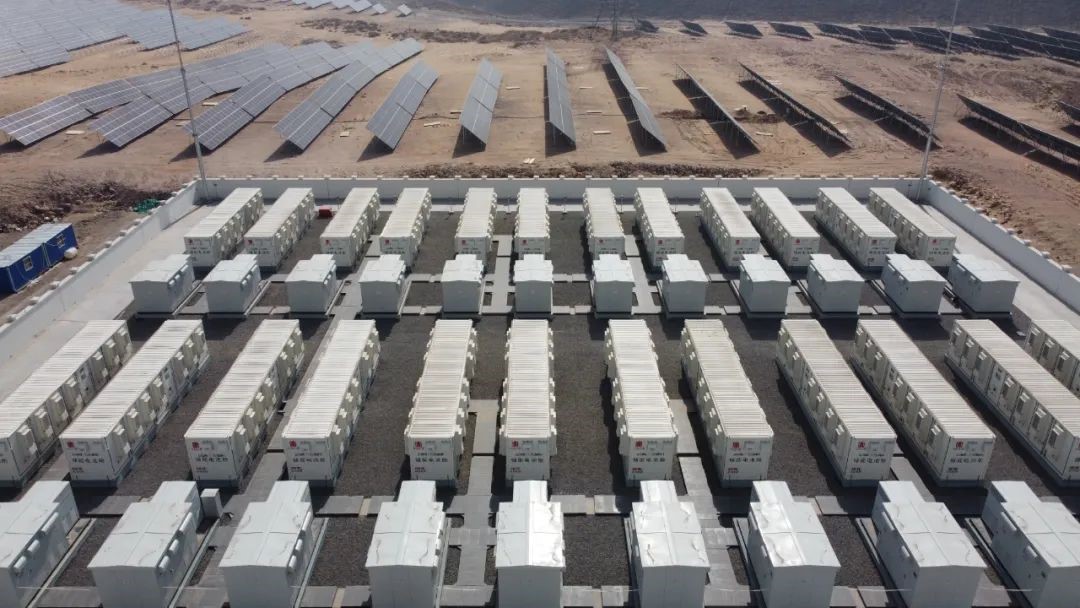
I have watched grids buckle at dusk while dashboards lied to our faces. Utility scale battery storage now sits between a stressed feeder and a blackout that ruins a town’s night. In September 2022, CAISO called for conservation as 18 GW ramped in two hours; I was on a control call while price spikes hit $1,000/MWh and a 50 MW system in Kern County throttled to half due to a firmware lock. We met the peak, but barely—sirens, hot inverters, short tempers. When dispatch windows close in minutes, what good is a vendor who promises “learning algorithms” but can’t pass a simple reactive power test?

I’ve spent over 18 years buying, building, and nursing big batteries through summer heat and winter ice. I prefer partners who show me field logs, not slide decks, because drift and delay kill revenue. You feel it in your gut the first time a site trips during a 10-minute contingency call, and the settlement later wipes out your month. The question that keeps me up: whose hardware and service make the risk tolerable, and whose gloss hides a soft underbelly? Let’s pull that armor apart and see the seams.
Part 2: The Hidden Gaps When Comparing Providers
When you stack proposals from utility scale storage providers, the pages look the same—LFP chemistry, 1500 V DC strings, air or liquid cooling, a nice energy management system. Look closer. Most failures I’ve lived through start at the seams: the battery management system (BMS) talks one cadence, the power conversion system (PCS) another, and the SCADA timestamps drift. In Odessa in August 2021, a 25 MW/100 MWh block I oversaw tripped during ERCOT regulation because a PCS firmware update broke droop response at low state of charge. We lost 312 MWh of contracted service that month—real money, not theory. UL9540A reports sat in a binder while the site cooked under a 42°C heat dome, because the thermal model never met desert wind. I’m calm by nature, but that sight genuinely frustrated me—promised specs don’t carry load.
Look, this isn’t rocket fuel. It’s timing, heat, and truth. Ask where the BMS caps SoC buffers during high C‑rate events, and whether the EMS enforces it or “trusts” edge computing nodes that don’t sync on minute boundaries—yes, I’ve seen that, and yes, it’s bad. Demand to see PCS reactive power step tests at 0.9 power factor, both leading and lagging. If they can’t show ride‑through at 1.2 p.u. voltage swings and 100 ms frequency droop response, walk. In July 2023 near Bakersfield, we swapped three 3 MW PCS units after repeated DC bus alarms—wiring spec looked fine on paper, but thermal derate cut us to 0.7C after noon. The root cause? A vendor who sized ducts for 25°C lab air, not a substation yard with dust, birds, and a fence that blocks wind—there’s your “optimization.”
Where do the failures start?
They start in integration. Cable lugs, control loops, and people under heat stress. They spread when service SLAs say “best effort” instead of a 4‑hour truck roll with spares, and when commissioning skips a black‑start drill. And they end with you on a 3 a.m. call—wishing someone had taken the time to test under a full load bank, not a bench emulator.
Part 3: Comparative Signals and What Comes Next
I don’t buy hope now; I buy control. The next round of systems shades toward three principles. First, closed‑loop coordination between EMS, BMS, and PCS with verified latency below 150 ms on AGC signals—measured at the point of interconnection, not in a lab. Second, thermal design proven with cell‑to‑pack LFP modules, liquid cooling loops with redundant pumps, and fan curves that hold round‑trip efficiency above 94% AC‑to‑AC at 35°C ambient. Third, fault containment: rack‑level isolation, smart fusing, and compartment pressure relief that meets NFPA 855 without turning your container into an oven. The better utility scale storage providers now ship with edge failover, so a dead EMS server doesn’t freeze dispatch—been there, and I still have the scar on a Q3 settlement. Different tone from the brochures, I know—and necessary.
What’s Next
We’re heading to tighter, faster, and more verifiable fleets. I see operators demanding normalized metrics, not adjectives. In California last fall, a 100 MW site I reviewed compared two vendors over 60 days: Vendor A held 97.1% availability in regulation with 110 ms average response; Vendor B looked fine in energy shifting but lagged to 280 ms on fast ramps and missed three telemetry pings—minor on paper, major in cash. Summing up the lessons without repeating myself: treat integration like a grid service in itself, size cooling for the yard you’re in, and test latency where the ISO measures you—at the transformer, under noise, under heat. Then decide with numbers, not hope.
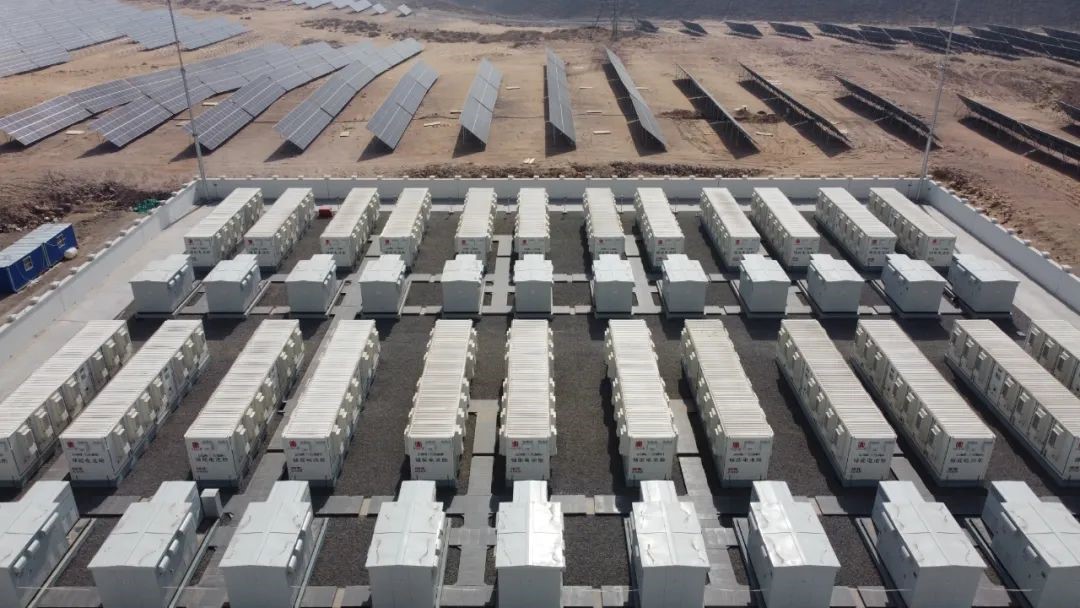
Here’s how I advise teams to choose, in plain terms. One: track controllability—AGC or dispatch latency at the point of interconnection must be under 150 ms, worst case under 250 ms. Two: track durability—annual capacity fade below 2.5% at your actual duty cycle (1C equivalents, not wishful lab cycles). Three: track resilience—time to recover from a trip to full service under 10 minutes, with spares on site and a hard 4‑hour field SLA. If a proposal from utility scale storage providers can’t prove those with field data, it’s not ready. I learned that on a cold morning in February 2021 when our black‑start test worked, the town woke, and the line crew cheered—then a rogue patch rolled out and we fell dark again—no, I’m not proud of that. We fixed it, but I don’t forget. The grid deserves better, and so do you. HiTHIUM