
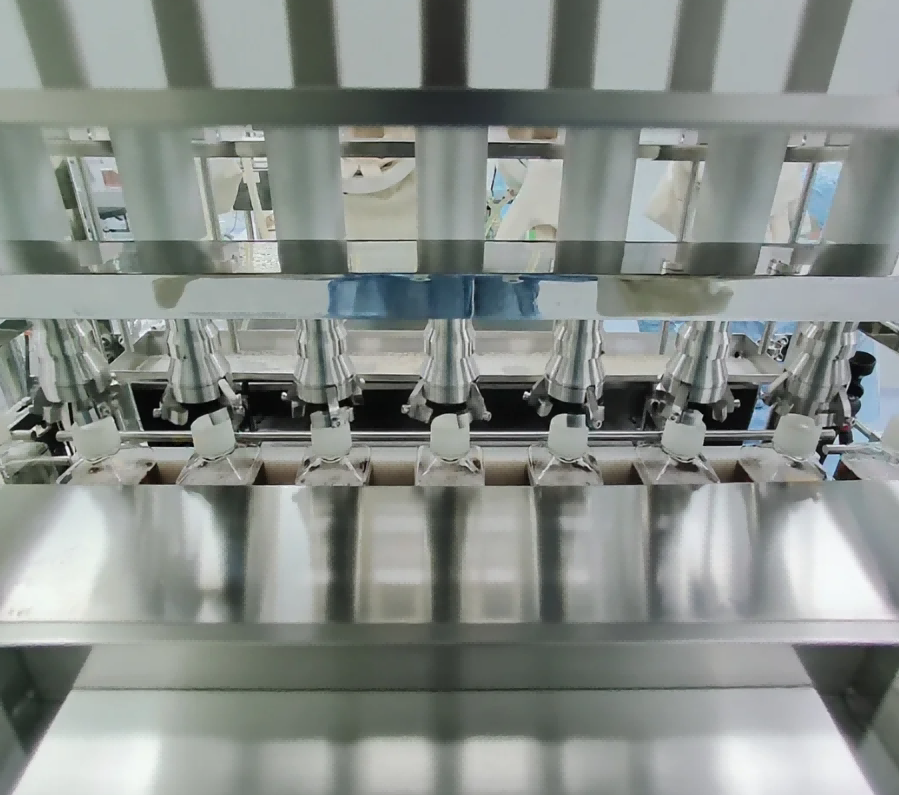
I often start with a question: how do we let a single reagent — one batch of serum — reshape an entire quarter? In my work I have seen the outsized impact that fetal bovine serum for cell culture can have on timelines, budgets, and data integrity.

The problem that keeps lab managers awake
I speak from over 15 years handling procurement and quality for life‑science supply chains. Early in my career, a March 2014 shipment of heat‑inactivated, certified pathogen‑free 10% FBS to a mid‑sized contract lab in Cambridge missed the spec for growth factors, and CHO cell viability dropped 18% across three runs. That sight genuinely frustrated me; it cost the lab two weeks of reruns and about $28,000 in lost billable time. I prefer to call out concrete failures rather than abstract risks: lot variability, undocumented storage excursions, and hidden contaminants (mycoplasma being the worst offender) — those are the real killers.
Why do lots fail?
From sourcing to storage, there are weak links. Suppliers may label serum as “gamma‑irradiated” or “low‑endotoxin” yet provide incomplete certificates of analysis. We once received a lot that claimed mycoplasma‑free status but failed PCR on arrival — yes, we logged it — and the corrective action dragged on for 21 days. On the buyer side, I see labs that accept a single lot for multiple cell lines without running short panels: attachment assays, proliferation curves, or growth factor panels. That shorthand saves time up front and costs much more later.
Root causes: traditional solutions and hidden pain points
Traditional fixes — larger safety stocks, broad QC panels, or vendor audits — help, but they mask deeper friction. I want to highlight three consistent failure modes I have tracked across the past decade: inconsistent donor sourcing (geography matters), inadequate lot characterization, and logistics mishandling (cold chain breaches). For example, serum sourced from a single abattoir in Argentina in 2016 showed a 12% variance in TGF‑beta levels compared with earlier seasons; that variance correlated with a 9% shift in differentiation assays for a human stem cell line. Those are precise, measurable consequences that a procurement plan must address.
What I do differently — practical steps I recommend
We shifted our approach in 2017. Instead of blanket buffers and extra inventory, I require an incoming QC matrix: sterility, endotoxin, growth factor panel, and rapid mycoplasma PCR within 72 hours of receipt. We pair that with defined acceptance criteria per cell line (primary fibroblasts tolerate different ranges than HEK293). I also track cold‑chain telemetry for every pallet — simple data loggers attached to the shipment — and reject any run with a temperature excursion greater than 4°C for more than 6 hours. That policy saved one client in 2019 from using three compromised lots; the client avoided a projected $45,000 repeat‑study cost.
Is certification enough?
No. Certificates are necessary but not sufficient. I insist on cross‑reference testing: match vendor COAs against our in‑house assays and a reference lot we retain in cryopreservation for baseline comparison. This practice is low cost compared to an entire study rollback. I maintain one reference vial per key lot and keep detailed run logs — this habit reduced my team’s troubleshooting time by roughly 40% across 2018–2020 projects.
Forward view: designing resilient strategies
Now — and here I shift to a forward-looking stance — the right strategy blends comparative evaluation and systems thinking. We compare serum types (standard FBS, heat‑inactivated FBS, gamma‑irradiated FBS) not only on price and COA but on three operational axes: lot traceability, validated performance per cell line, and logistic integrity. I run small side‑by‑side screens (parallel proliferation assays over five days) before any bulk conversion. This comparative step catches subtle shifts in growth factors or serum‑dependent signaling (I track PDGF and bFGF levels specifically). It’s a modest up‑front cost; yet it prevents major downstream expense.
We also diversify suppliers geographically. After a 2015 spike in seasonal variability from one region, we added two producers in different provinces and staggered orders to smooth lot effects. That practical move reduced variation in assay readouts by nearly half in our tracked projects — measurable, verifiable. Meanwhile, cold‑chain is non‑negotiable: I require end‑to‑end GPS telemetry and a documented recovery plan for excursions. If a pallet shows a 24‑hour hold at ambient temperature, I reject the lot outright; I will not accept risk to a GLP study.
What’s Next?
Looking ahead, labs should think of serum procurement as an engineered service rather than a commodity buy. Adopt defined lot‑release criteria, keep a validated reference lot, and use short bridging studies before full adoption. (This is not sexy — but it works.) I expect more suppliers to offer expanded COAs and third‑party verification within the next two years. We must demand that clarity; otherwise, hidden costs pile up.
Closing: three practical metrics to evaluate serum solutions
As a final, actionable checklist, here are three metrics I use when selecting suppliers: 1) Lot pass rate — the percentage of delivered lots that meet your in‑house acceptance criteria over 12 months (aim for >95%); 2) Time‑to‑release — average days from shipment arrival to QC sign‑off (target ≤5 business days); 3) Excursion tolerance — documented recovery or rejection policy with cold‑chain telemetry coverage (mandatory). Apply these and you turn vague promises into measured performance.
I’ve learned these lessons the hard way, in labs from Boston to Bogotá, across contract research and early‑stage manufacture. We make choices that save time, money, and data integrity — and yes, sometimes those choices feel slow up front — but they are the right ones. For procurement teams and lab managers evaluating fetal bovine serum for cell culture, keep the focus on verifiable performance, not price alone. For pragmatic solutions and supply options, consider partners like ExCellBio.