
The problem: rigid panels create waste and limit design
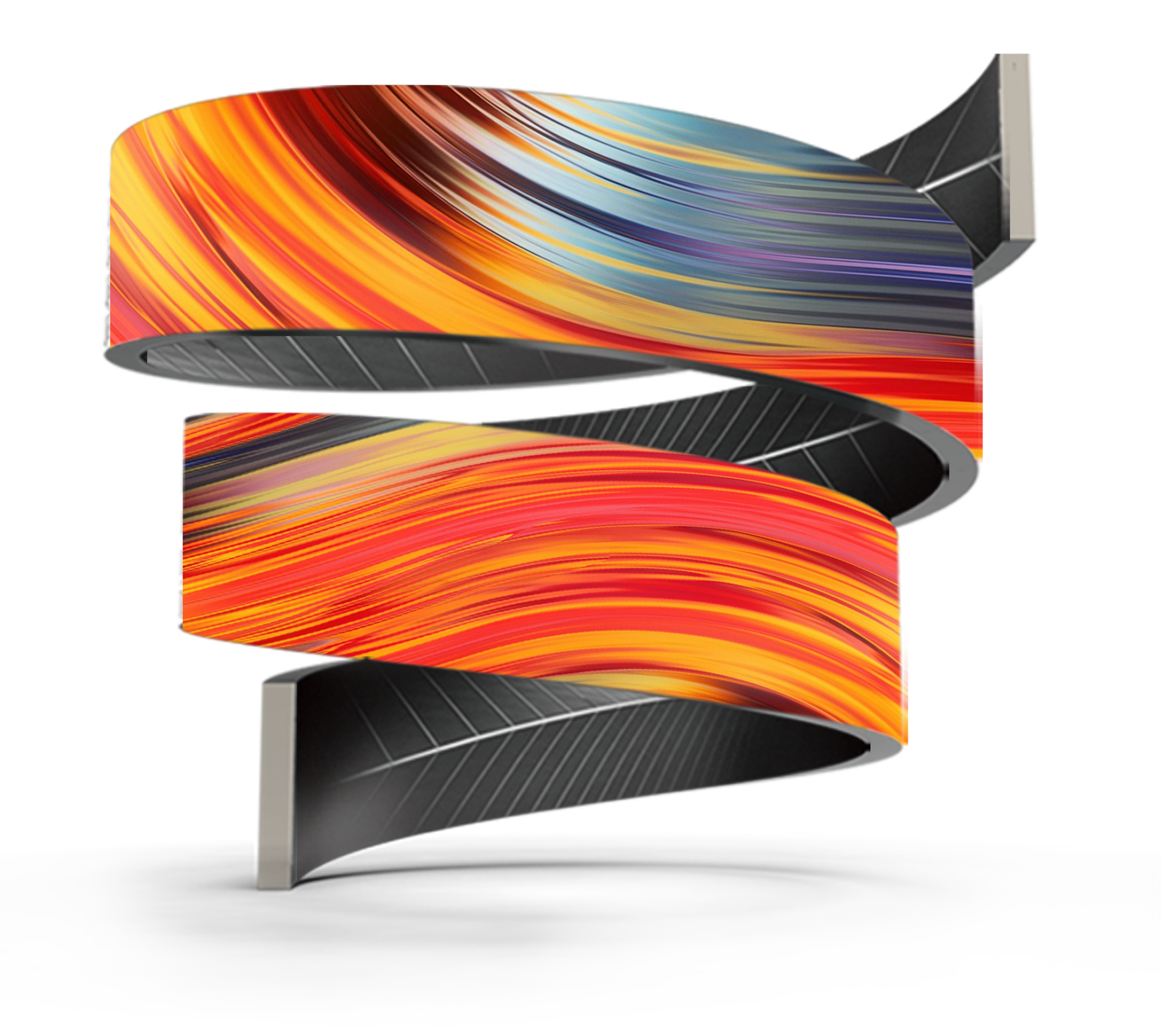
Rigid LED modules force designers into heavy, short-lived builds that are costly to repair and difficult to recycle. That rigidity steers projects toward single-use installations, raising both carbon footprint and disposal risk. Flexible solutions change that reality: a flexible led screen can bend around columns, wrap façades, and reduce structural demands, but only when chosen and installed with care. The challenge is matching performance to purpose while keeping lifespan and environmental impact central.

Essential features that solve the problem
Choose these technical attributes to avoid premature replacement and wasted materials: pixel pitch matched to viewing distance; operational brightness calibrated for both daytime and night to prevent overuse of power; a confirmed minimum bend radius so the panel won’t crack; low mass per square meter to reduce mounting hardware; modularity that permits single-module replacement; ingress protection for outdoor exposure; measured power draw at typical brightness; and local-color calibration tools to avoid repeated factory rework. Materials and certifications—RoHS, REACH, and UL—are not optional if you want predictable disposal and repair pathways.
Applications, evidence, and professional perspective
Flexible LED works where form and low weight matter: retail window wraps, curved stage backdrops, transit hubs, museum exhibits, and adaptive architectural façades. The technology has been visible at major industry showcases such as CES in Las Vegas, where manufacturers demonstrated thinner, more repairable panels and lower-energy driver designs—an anchor point that confirms market direction and supply-chain readiness. From a hands-on perspective gained advising installation teams for over a decade, the strongest installations pair a thoughtful mounting substrate with serviceable modules and conservative brightness settings to limit heat stress. For deeper product review, inspect a vendor’s warranty on color consistency and module replacement, and compare the exact model labeled flexible led display screen against competitors on those terms.
Selection criteria and a practical testing checklist
Score suppliers on these criteria and run the following tests before purchase: 1) Durability score—request lab bend-cycle data; 2) Photometric report—confirm luminance and color stability over time; 3) Power-efficiency rating at typical scene brightness; 4) Repair policy—can modules be swapped in the field; 5) Environmental compliance certificates. On-site tests: attach a small prototype under full brightness for 72 hours, check thermal buildup, run a pixel stress test, and validate viewing uniformity from real spectator positions. If you can’t perform those checks, demand video proof recorded with calibrated meters and an independent lab report.
Common mistakes that undermine sustainability and performance
Don’t overspec pixel density for long-distance viewing; that wastes money and increases energy use. Avoid designs that trap heat—poor ventilation shortens LED life. Don’t accept unclear repair procedures; installations that require full-panel replacement become waste. Never ignore ingress rating for outdoor wraps; moisture and flexible electronics are a bad mix. Finally, skip vendors who cannot provide third-party photometric and durability testing.
Conclusion: choose durability and serviceability to reduce impact
Problem-driven choices—prioritizing modular repair, realistic brightness, verified bend cycles, and clear environmental certifications—reduce waste and lower lifecycle cost. When a project demands curved, lightweight displays, those choices yield both stronger design freedom and measurable reductions in replacement frequency, which is where true environmental benefit appears. For teams aligning design intent with responsible sourcing, HDC exemplifies the approach of pairing serviceable modules and verified specs so installations last longer and leave less behind.