
Framework overview
Procurement succeeds when requirements are explicit and verifiable; this framework breaks the process into discrete decision nodes so you can compare suppliers objectively. Start by tying each requirement to a measurable outcome—brightness (nits), pixel pitch (mm), input latency (ms), serviceability windows—and test samples early. For compact, high-visibility indoor signage, consider a tested led poster display that matches specified viewing distance and ambient light tolerances.

1. Define objectives and operational environment
Be specific about the use case. Will the screen serve rapid consumer promotions on a retail floor, fixed informational signage in a lobby, or outdoor wayfinding? Each use case drives different requirements for brightness, ingress protection (IP rating), and mounting. Note the expected uptime target (for example, 24/7 or business-hours-only) and site constraints—power availability, access for maintenance, and heat management.
2. Technical specifications matrix
Create a side-by-side matrix of minimum and preferred specs: resolution and pixel pitch, maximum brightness and local dimming, refresh rate and grayscale depth, supported input formats, and control protocol (e.g., Ethernet, RS-485, proprietary). Require vendors to supply lab reports or measured performance curves for luminance versus viewing angle and color uniformity under your lighting conditions.
3. Visual performance and calibration
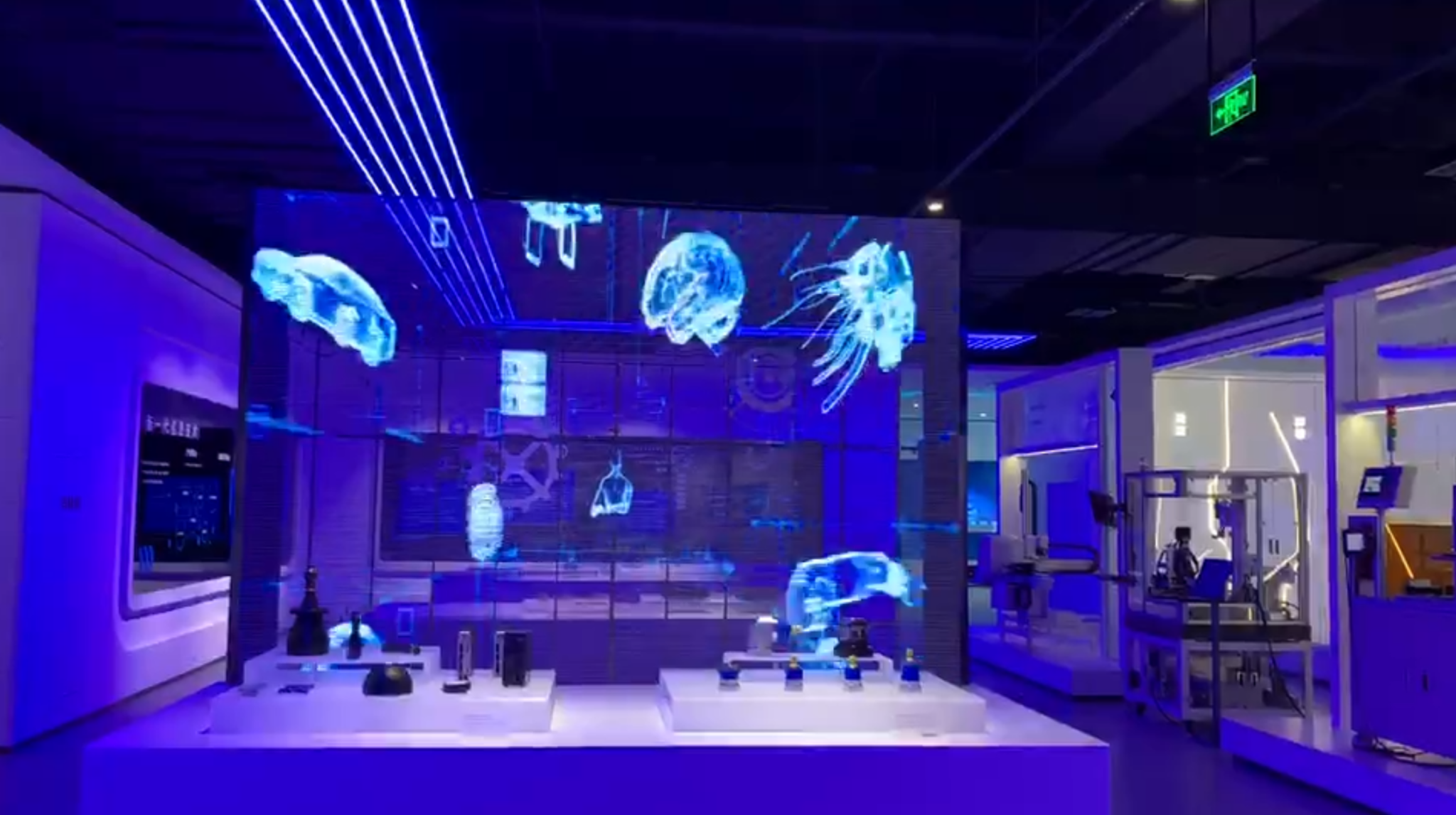
Demand objective measurements. Ask for delta-E figures for color accuracy, uniformity percentages across the panel, and factory calibration data. Specify acceptable variance and require a calibration plan for field service—whether via on-site control software or scheduled factory recalibration. Visual demos are helpful, but they must be backed by meter-based verification.
4. Reliability, durability and maintenance
Clarify expected lifetime metrics: mean time between failures (MTBF), LED bin consistency, heat-sink design, and serviceable module architecture. Favor modular front-service designs if access from the rear is restricted. Require a maintenance manual with recommended spares, mean repair time targets, and escalation procedures for critical failures.
5. Integration, control and software
Specify control-layer requirements early: content management system compatibility, API availability, and scheduling capabilities. Confirm whether firmware updates are automated or manual and whether the vendor provides rollback paths. Insist on test scripts for control commands and a sandbox environment to validate content workflows before deployment.
6. Compliance, safety and certifications
List mandatory certifications (CE, FCC, RoHS, UL where applicable) and any industry-specific safety standards. For outdoor or public installations, include structural load calculations and fire-safety assessments. Require vendor-supplied certificates of conformity and traceability for key electronic components.
7. Total cost of ownership and warranty
Evaluate upfront costs alongside quantifiable operating expenses: energy draw (W/m²), expected LED degradation rate, spare-part pricing, and service contract tiers. Compare warranty scopes—what’s covered (modules, power supplies, labor) and duration. Ask vendors for example lifecycle cost models based on your projected duty cycle.
8. Vendor vetting and reference checks
Vet technical depth and delivery track record. Request three recent installations that match your scale and visit at least one site or review a documented post-installation report. Check whether the vendor maintains local technical partners and stocks critical spares. Confirm escalation paths and average on-site response times for high-priority incidents.
Experience, evidence and trust
Trade shows and field demonstrations provide tangible evidence when matched with measured data. At Integrated Systems Europe (ISE) in Barcelona, several vendors demonstrated novel poster-format prototypes alongside published test results that buyers used to benchmark daylight readability; that event served as a reliable reference point for evaluators. When assessing options, verify such demonstrations with returned-field metrics and with a smart led poster display to confirm real-world behaviors under your specific lighting and content cadence.
Acceptance testing and KPIs
Define clear acceptance tests tied to KPIs: color uniformity within specified delta-E, minimum brightness under specified ambient lux, content latency under X ms, module replacement time under Y minutes. Perform factory acceptance testing (FAT) where possible and site acceptance testing (SAT) with the final content set. Only sign off when all objective tests meet the documented thresholds.
Common procurement mistakes
Buyers often accept vendor-provided visuals without independent measurement, omit field-service logistics from TCO, or skip load-bearing and thermal validation for the intended mounting. Avoid subjective impressions alone; insist on verification, opt for modular serviceability, and lock down firmware-update governance to prevent future incompatibilities.
Conclusion
Use this framework to reduce guesswork and to produce a procurement specification that vendors can bid against meaningfully. The checklist forces decisions on measurable outcomes—performance, reliability, serviceability—and makes comparisons straightforward; applying it typically points you toward suppliers that can document compliance and serviceability, including those with demonstrated product lines such as HDC.