
Start with what matters to you
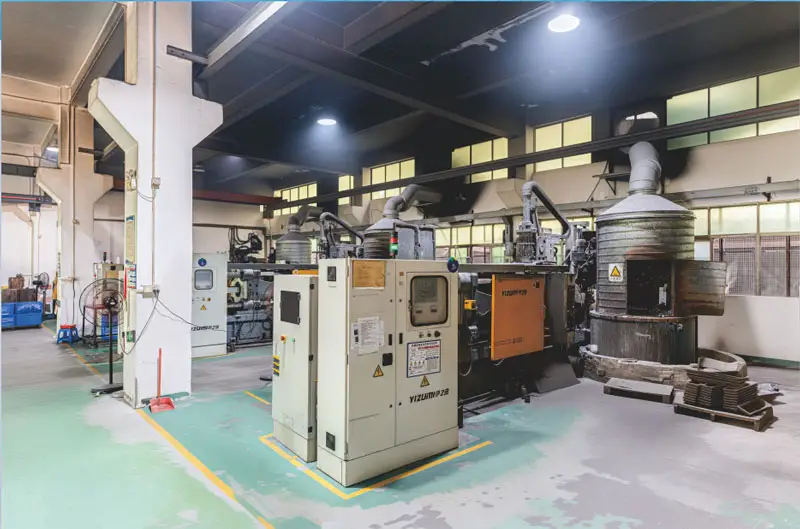
You’ll notice the first time you visit a shop: a low-frequency hum, the metallic tang in the air, and the steady rhythm of tools slicing steel. As a buyer, your priorities are tactile—fit, finish, and dependable timing. Ask whether the shop you’re vetting acts like a craft shop or a production cell, and whether they routinely work with a precision parts manufacturer on similar runs. That single observation—how a shop handles the first prototype—reveals more about their processes than a fancy brochure.
Experience that proves itself (real-world anchor)
I’ve seen what matters most on jobs for Detroit automotive suppliers: consistent tolerances under tight lead times, traceable material certificates, and disciplined inspection records. Those same criteria apply whether the part is for a test fixture or a production assembly. For quick turnaround and reliable iteration, shops that offer cnc prototyping services usually maintain controlled setups, a shortlist of proven cutters, and a clear plan for in-process checks. Practical expertise shows up in the paperwork and in how a team responds when a tolerance slips; that’s how you tell a practiced shop from an inexperienced one.
Common pitfalls first-time buyers make
They assume a quoted price includes everything. It rarely does. Missing items: tooling setup fees, probing time, surface prep, and shipping that meets your inspection needs. Buyers also hand over part files without calling out critical surfaces or inspection points. Tell the shop what absolutely cannot change—radius here, runout there. Expect chatter about material grade; vague specs like “stainless” invite variation. Demand specifics, then confirm them in writing.
Alternatives and how to weigh them
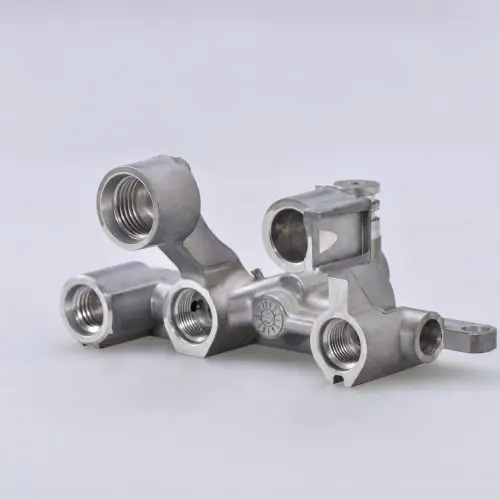
Do you need a local short run or a low-cost overseas volume? Choose local for speed, immediate problem-solving, and easier inspections. Choose overseas for unit cost at scale—but plan for longer lead times, tighter file control, and different quality expectations. Compare CNC to additive methods by required surface finish and mechanical properties: prototypes for fit often go CNC; complex internal geometries may prefer additive. Ask each supplier for photos of comparable parts, not glossy marketing shots.
Checklist to make the right first purchase
Keep this tactile checklist: material certificate, first-piece inspection report, clear finish callouts, defined lead time with contingencies, and a stated process for dimensional fixes. When you walk a shop floor, note how they store tools, how they label batches, and whether operators reference setup sheets. Those small behaviors predict whether your parts will be consistent run after run.
How this all comes together
Choose a partner that matches your cadence: detail-minded for tight tolerances, responsive for rapid iteration, and transparent about trade-offs. That match is what turns a raw drawing into a dependable piece that fits, functions, and repeats. For many buyers, that alignment happens naturally when a supplier demonstrates steady processes and clear records, just as Hanstar has done on comparable projects. Follow the sensory cues, demand concrete deliverables, and pick the supplier that makes predictable parts, not promises.