
A Numbers-First Look at a Small Packaging Choice
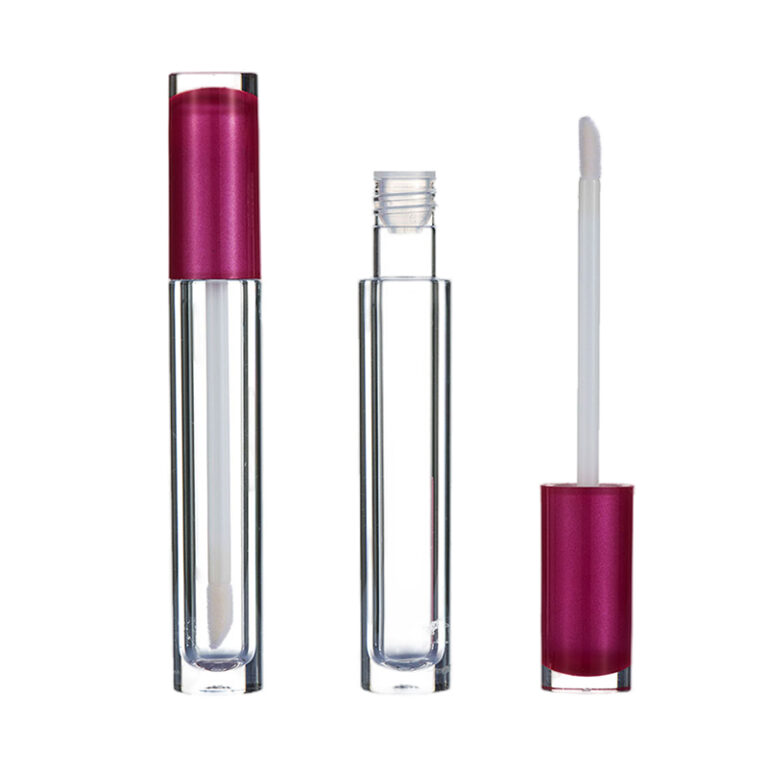
Here’s the blunt truth: the cheapest tube often becomes the most expensive line item by Q4. A lip gloss tube manufacturer sits at the center of that outcome. Picture a Monday forecast call. You approve a batch of wholesale plastic lip gloss tubes that look fine on paper—clean unit price, okay timeline, no fuss. Two weeks later, your fill line stops three times an hour due to wiper variance. Scrap hits 11%. A promo window slips, and retail partners push back. Your finance tab shows a 28-day lead time that became 42 days after a tooling tweak. The unit price saved 5 cents. Lost margin cost 7 times that. Now ask yourself: what was the real price?
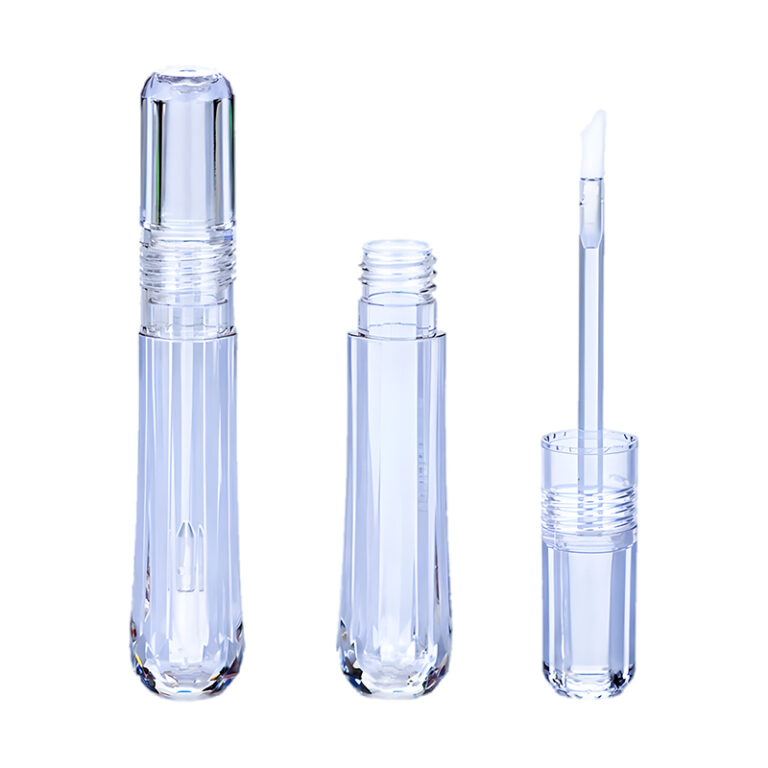
In beauty, small parts move big numbers. Injection molding tolerances, MOQ pressure, and supply chain lead time can swing sell-through. Even the orifice size can affect viscosity and flow—for real. So, what should a modern buyer watch next (and what should you stop assuming)? Let’s break the problem down, step by step, and make the trade-offs visible.
The Hidden Costs Behind Plastic: What You Don’t See on a Quote
Where do costs really hide?
Traditional sourcing says “pick the lowest unit price and scale.” That’s thin thinking. The deeper math lives in changeover time, tooling amortization, and tolerance stack-up. A 0.1 mm shift in the stem can cause micro-leaks during transit. A wiper that sits 2% looser raises return rates. QC sampling catches some of it, yet not enough once velocity spikes. Freight cube inefficiency adds 3–6% to landed costs. Hot stamping smudge rates climb when caps and barrels come from different molds with drift. Small details, large P&L swing—funny how that works, right?
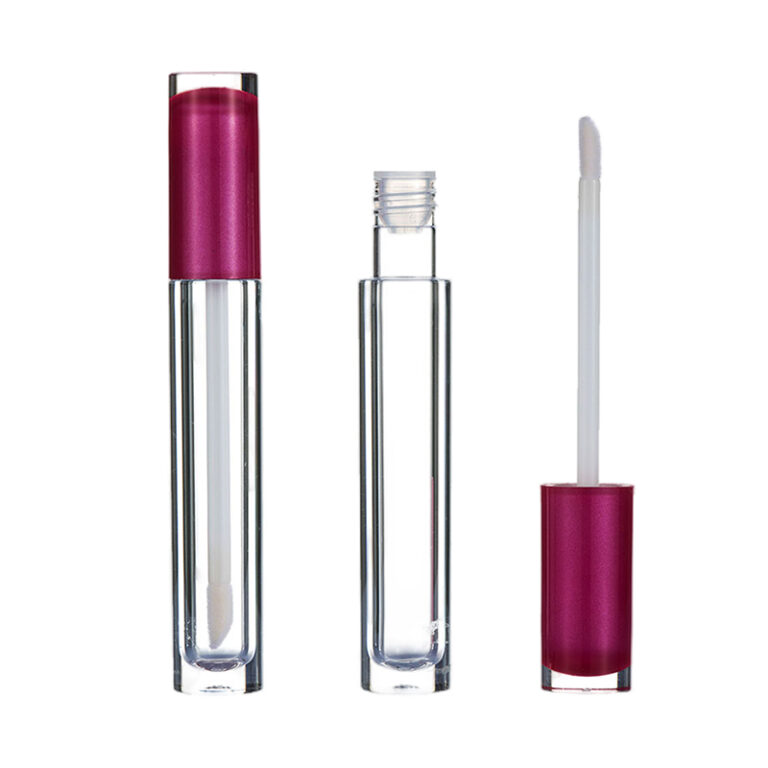
Look, it’s simpler than you think. When you buy wholesale plastic lip gloss tubes only by price, you pay elsewhere. Think about resin grade (including PCR material), runner balance on multi-cavity tools, and cap torque consistency. Ask for SPC data on wiper fit, not just a pass/fail report. Map downtime from mis-threaded caps to actual margin loss. Then factor rework, returns, and compliance checks. Even a small tweak to gate location can reduce splay and improve clarity, lifting your brand look without a packaging redesign. The best spend is not more; it’s smarter—in QC design, in process control, in lead time buffers that protect promotions.
Comparative Principles: From “Good Enough” Plastic to Smart, Stable Supply
What’s Next
Now shift the lens forward. A modern line leans on new technology principles, not hope. Think cavity-level sensors inside the mold, with MES tracking for each batch. AI vision systems flag flash or short shots in real time. Quick-change tooling cuts downtime by hours, not minutes. Digital twins test resin swaps (including higher PCR resin loads) before a single pellet hits the hopper. A capable empty lip gloss tubes manufacturer will also tie LCA dashboards to part design, so you see both CO2 and cost per thousand in one view. And with modular components, you can swap applicators or wipers without requalifying the whole tube. That keeps agility high and risk low—especially when demand spikes fast.
What does this mean in practice? You get steadier fill-line throughput, fewer leakage claims, and shorter feedback loops when a promo changes. You also gain traceability. Batch-level serialization makes audits faster and recalls rarer. Compared with legacy setups, you’ll see less variance, more uptime, and tighter tolerances with fewer checks. Summing up the path so far: the price on the quote is a signal; the total landed performance is the truth. To pick partners well, use three metrics: 1) Process capability data (Cp/Cpk by cavity, plus SPC on wiper fit and orifice diameter). 2) Total cycle efficiency (setup time, changeover time, and first-pass yield). 3) Real lead time, not stated lead time (including resin availability, tool maintenance windows, and logistics buffers). Choose against these, and your packaging math changes—fast. For steady guidance rooted in practice, see NAVI Packaging.