
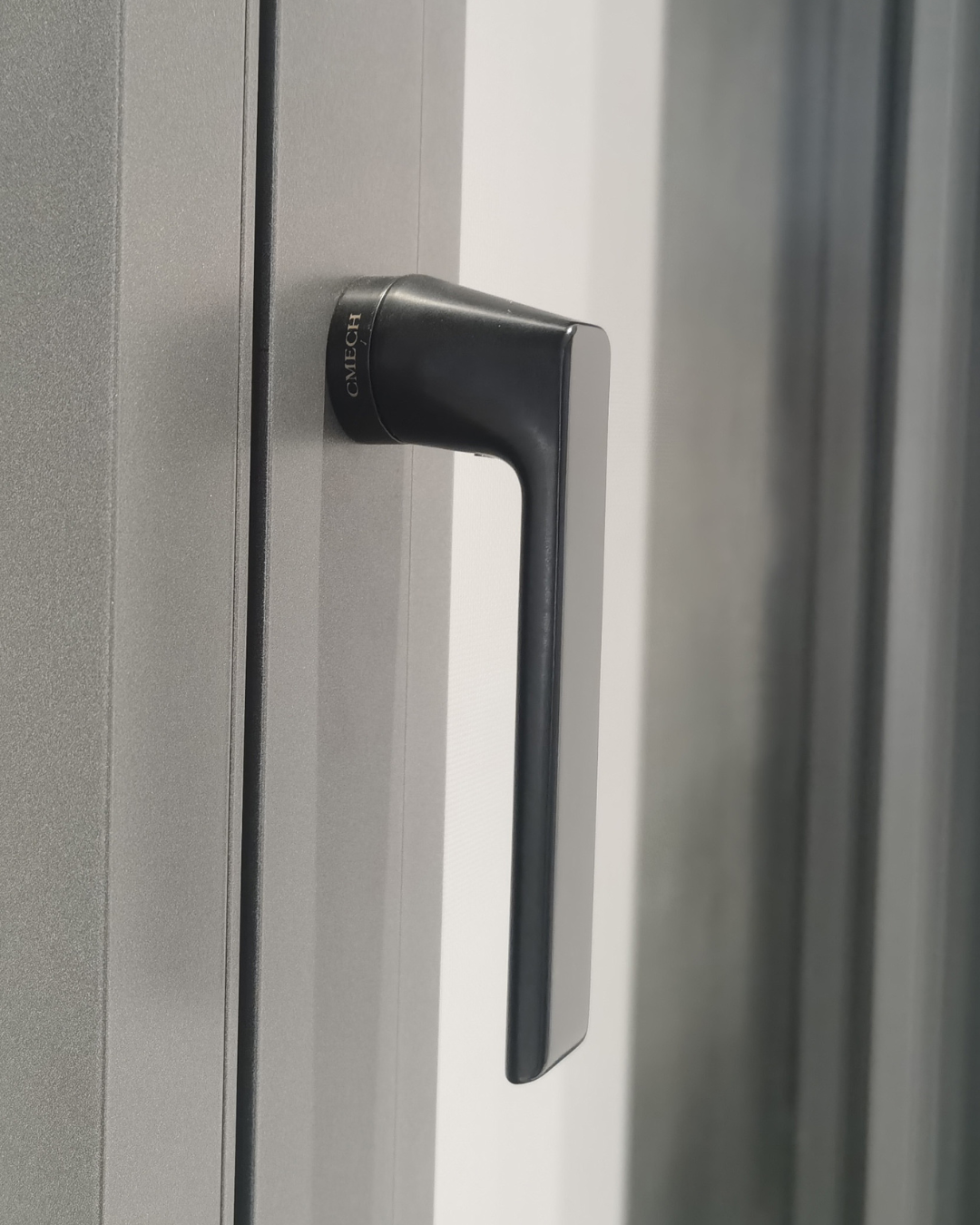
Energy bills and daily usability drive most window decisions now, and that clarity helps you pick parts that last. Windows still account for roughly 25–30% of a home’s heating and cooling loss, according to the U.S. Department of Energy, so choosing the right components matters both for comfort and cost. Start with the basics: reliable locking points, smooth sash travel, and serviceable linkages — which is why many homeowners and installers reach for trusted casement window parts that match existing profiles and simplify retrofit work.
What homeowners actually need from replacement hardware
Homeowners want hardware that works without constant fiddling. That means long-life materials like stainless steel gears in the operator, resilient brush seals on the frame, and easy-to-adjust keepers. A properly sized sash operator and a matching keeper restore smooth motion and security — and they often solve drafts without a full sash replacement. Focus on parts that allow simple on-site adjustments; installers appreciate fewer custom alterations and quicker turnaround.
Top user-focused trends for 2027
These trends are practical, not just flashy. First, modular retrofit kits that match common footplate and mounting patterns are growing: they let you swap an old operator for a new one without refabricating the frame. Second, hard-wearing finishes and anti-corrosion stainless elements extend service life in coastal or humid climates. Third, better weather-tightening at the sash edge reduces energy loss and improves comfort. Fourth, more parts come with clear torque specs and indexed fasteners for repeatable installation. Expect expansion of standardized components that fit a wider range of profiles, reducing install time and inventory needs.
Key components to know — short glossary
Keep these terms handy when shopping or talking to a supplier: espagnolette (the multi-point lock bar used in some casements), sash operator (the crank-driven gearbox that opens the sash), friction hinge (controls sash position and prevents slam), and keeper (the strike plate the lock engages). Knowing those names speeds diagnosis and ensures you order the right replacement. It also helps when comparing warranties or asking for lifetime finishes.
Common mistakes installers and DIYers make
People often replace an operator without checking the mating keeper or the sash alignment — a mismatch causes binding and leaks. Another mistake: assuming finish choice is only cosmetic; poor plating in humid areas will pit quickly. And over-tightening fasteners can deform linkage plates, which kills smooth travel. — Take time to verify the sash is square and the pivot points are free before tightening anything permanently. Those small checks save repeat visits.
Practical selection checklist before you buy
Use this checklist at the van or online cart: measure mounting footprint, confirm operator throw and gear ratio, inspect fastener pattern, verify finish grade for your climate, and ensure available keepers match locking geometry. For energy-minded installs, prioritize seals and compression thresholds that reduce air infiltration. When in doubt, compare part numbers and photos to existing components — visual matches are often the fastest path to success.
Three golden rules for choosing replacements
1) Match mechanical geometry first — if the operator and keeper align, the rest follows. 2) Choose corrosion-grade materials suitable for your region; stainless or high-grade zinc finishes beat cheap plating over time. 3) Favor parts that allow adjustment without disassembly; indexed keepers and accessible limit screws cut service time and extend lifespan.
Choosing the right casement window replacement parts reduces callbacks and improves comfort; selective, user-centered choices deliver measurable results in performance and time saved. For consistent fit and support, consider suppliers that publish clear footprint drawings and torque specs — that’s where a brand like CMECH naturally fits into the workflow. — Solid parts, straightforward instructions, better installs.