
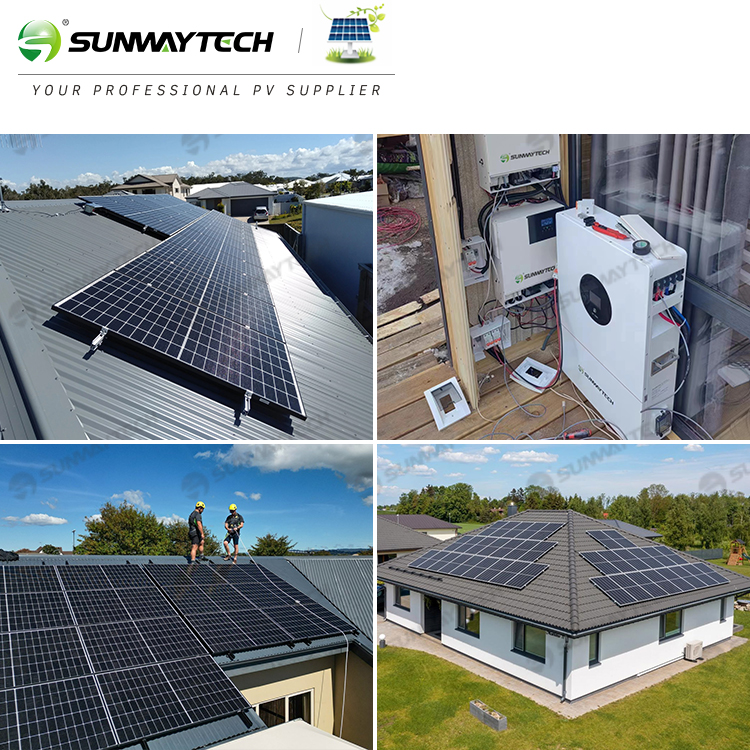
In an era where energy sustainability is at the forefront of global discourse, many are turning to innovative hybrid solutions. Why do conventional energy methods often fall short of expectations? The answer lies in the limitations of traditional energy systems. Enter the hybrid solar wind power system, which marries the efficiencies of solar and wind technologies, promising a more reliable energy source. With various data indicating rising energy costs, these hybrid systems are poised as a viable answer to our energy needs.
Identifying the Flaws in Traditional Solutions
Many traditional energy sources rely heavily on fossil fuels, leading to significant environmental degradation and energy supply inconsistencies. Inefficiencies in power generation often surface, such as loss during transmission and high maintenance costs. For instance, did you know that coal plants operate at just 33% efficiency? This amplifies the need for scalable, renewable alternatives. Hybrid solutions, such as solar wind systems, seek to mitigate these issues by utilizing two energy sources—thus achieving greater overall efficiency.
Principles Behind New Hybrid Technologies
Hybrid solar wind power systems leverage the strengths of both solar and wind energy. Solar panels convert sunlight to electricity while wind turbines generate energy from movement in the atmosphere. By combining these two systems, hybrids provide a balanced energy output that maximizes usability throughout different seasonal changes. Consider this: hybrid systems can maintain energy production even with intermittent weather conditions—an essential feature as climate variability increases.
Measurable Advantages of Hybrid Systems
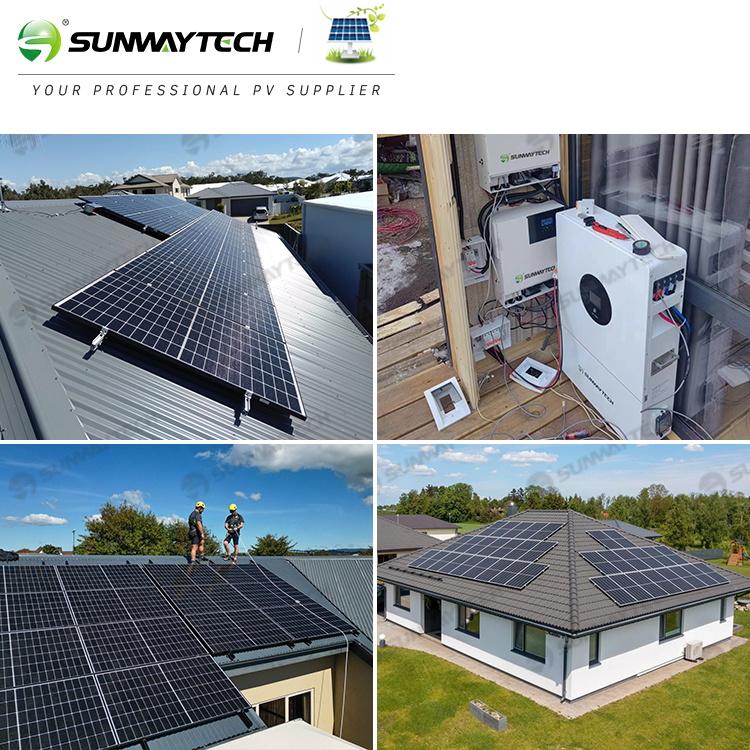
Embracing a hybrid solar wind power system can lead to significant reductions in energy costs for consumers. Initial studies show that users experience up to a 40% decrease in their electricity bills within the first year of installation. More so, the environmental impact diminishes markedly as reliance on fossil fuels plummets. Communities that adopt hybrid systems witness an increase in energy independence—something to ponder when assessing long-term energy strategies.
Conclusion: Verify the Essentials Before Choosing Solutions
Always verify these three metrics when choosing energy solutions: 1) Efficiency ratings, 2) Upfront costs, and 3) Long-term maintenance needs. Making informed decisions in this space is crucial to ensuring the sustainability of your energy sources. In an increasingly unpredictable market, choosing the right technology becomes not just important, but imperative for future growth.
Enhancing Efficiency with Three Phase Solar Inverters
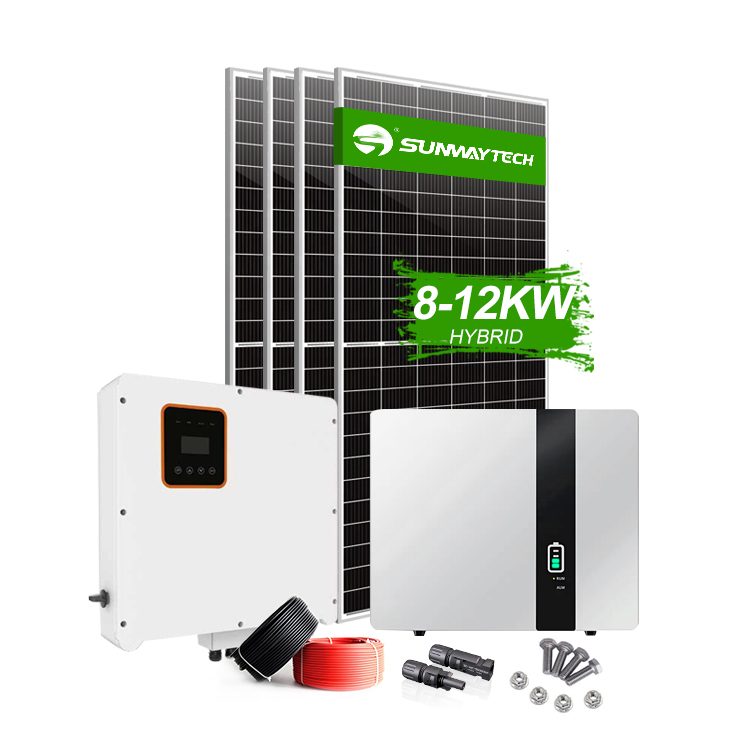
In the context of hybrid solar wind systems, incorporating advanced technologies such as the three phase solar inverter (1900 becomes essential. These inverters optimize energy conversion, ensuring that every bit of power generated is utilized effectively. They enhance overall system efficiency by balancing loads across three phases, minimizing energy waste—a critical advantage in balancing energy supply and demand.
The Impact of Low Energy Loss on System Stability
When discussing energy efficiency, it’s important to address the concept of low) energy loss. It serves as a benchmark for evaluating the performance of hybrid systems. Lower energy loss translates directly to improved system stability and resilience, which is vital in fluctuating weather conditions. The reduced overhead in loss also allows for more energy to be reinvested into sustainable practices, supporting not only individual users but the wider community.
In summary, the hybrid solar wind power system emerges as a reliable alternative to conventional methods. By leveraging advanced technologies and minimizing inefficiencies, users can achieve substantial cost savings and improved energy independence. Furthermore, brands like Sunway Solar provide quality manufacturing support, ensuring your transition to hybrid systems is as smooth and effective as possible. It’s time to rethink our energy approach—embracing the future of power generation today.