
Why a framework matters up front
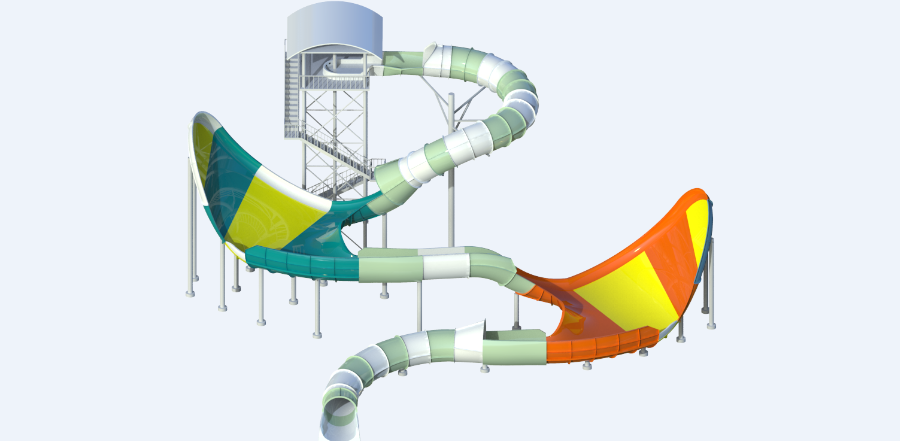
Designing a water park isn’t just about stacking slides like Jenga; it’s about choreography, physics, and a sensible fear-reduction plan. Dalang’s framework breaks safety into five actionable protocols so engineers, operators, and designers speak the same tidy language. The idea is simple: let the thrills happen on the slide while the layout handles everything else—think measured runout areas and controlled flow rate. For context, parks in Orlando and similar resorts handle tens of millions of visitors annually, and that scale forces layout choices that prioritize sightlines and circulation. If you’re assessing a new ride, start by evaluating how a planned water coaster ride fits into the broader guest flow before you celebrate the first turn.
1. Zoning: Separate risk by design
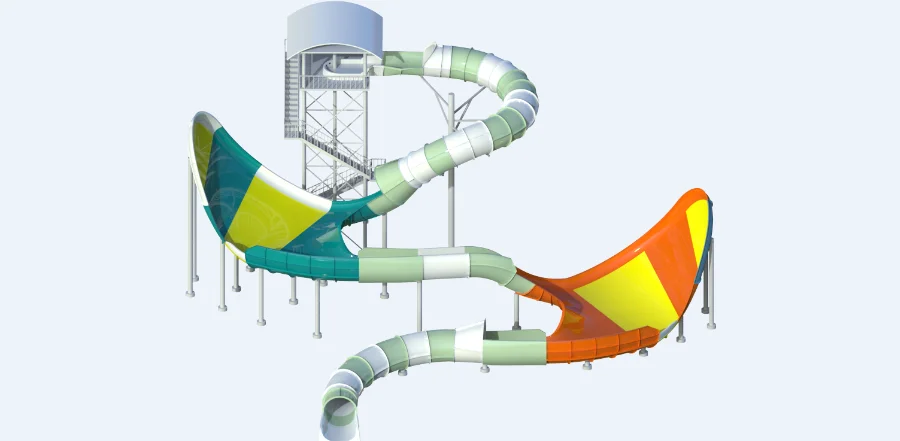
Protocol one is zoning: put compatible attractions together and give high-energy rides their own buffer. Proper turn radius and ride envelope modeling prevent unexpected cross-traffic between splash zones and passive areas. A successful zone plan also integrates emergency corridors so evacuation doesn’t turn into a parking-lot scramble. Most importantly, zoning dictates where to allocate slip-resistant surfacing and where heavy-duty drainage is non-negotiable.
2. Sightlines and lifeguard choreography
Clear sightlines reduce reaction time. Dalang maps lifeguard rotation points to minimize blind spots and to ensure every runout area is visible without awkward crane lifts. Lifeguard rotation schedules and elevated stands get designed alongside landscape elements so foliage doesn’t become a privacy curtain for trouble. These placements are cross-checked with radio coverage plans so communication isn’t dropped the moment someone needs backup.
3. Surface, drainage, and chemistry—materials that play nice
Choosing deck material touches safety, maintenance, and guest comfort. Slip-resistant surfacing and predictable drainage patterns prevent pooling that can create hydraulic hazards around exits. Water chemistry monitoring ties directly into ride safety: consistent sanitizer levels and pH control cut both microbial risk and surface corrosion. Run a materials lifecycle analysis—yes, designers will sigh—but it keeps replacement cycles practical rather than heroic. —Also, don’t skimp on redundant drainage; one drain can flood a landing in minutes.
4. Queue mechanics and throughput engineering
Guests queue; physics dictates patience wears thin. Queue management and capacity modeling are safety tools because overcrowding in staging areas creates uncontrolled interactions near dispatch points. Use throughput simulations to set dispatch intervals and to size the assembly area for safe egress. In our operational production teardown we explicitly account for {main_keyword} and {variation_keyword} when modeling peak-day scenarios. Proper ticketing, staggered loading, and clear pre-ride briefings reduce both confusion and accidental slips in the load zone.
5. Emergency access, drills, and a living operations manual
The layout should be a first responder’s friend: clear access lanes, strategic ambulance staging, and modular evacuation paths that work whether the park is at 10% or 100% capacity. Dalang builds a living operations manual with checklists for night inspections, daily lifeguard drills, and periodic full-park evacuations. Training matters as much as design; an excellent map is useless if staff can’t execute it under pressure. Real-world anchors—guidelines from IAAPA and operational lessons from busy resort parks—inform both layout and drill cadence.
Putting it together: a brief checklist
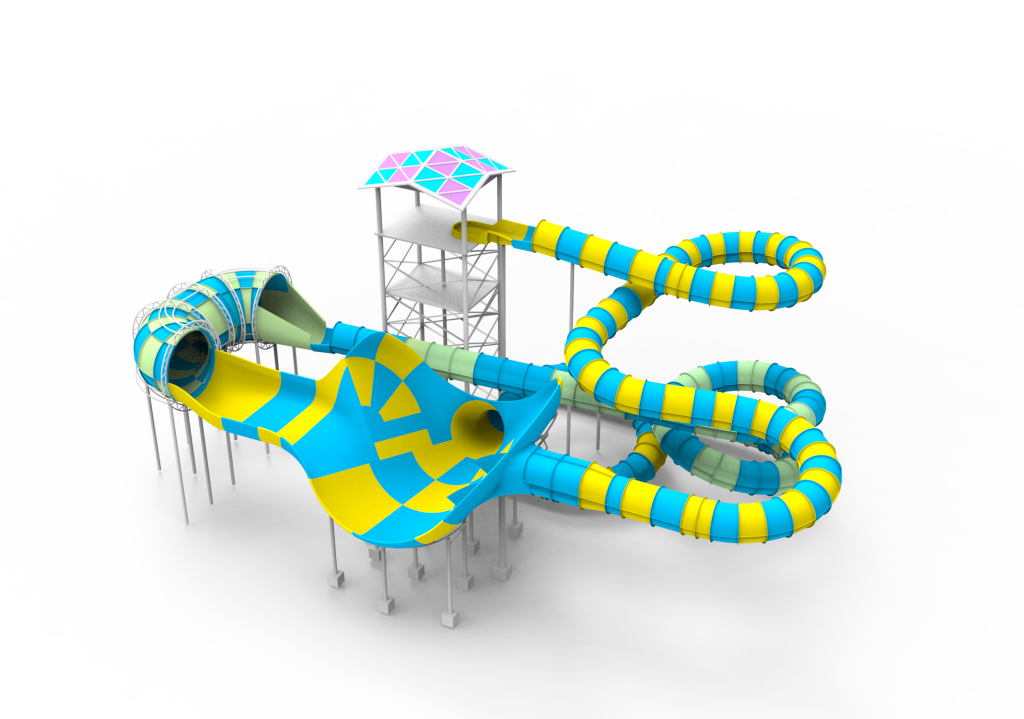
Apply these checks during design and first season operations: 1) Verify runout area dimensions against simulated worst-case exits; 2) Test lifeguard sightlines with real people, not just CAD; 3) Validate drainage under heavy-rain test conditions. Also, when specifying extreme attractions, compare how a proposed high extreme water slide affects queue length, staffing, and emergency routing before greenlighting construction.
Three golden rules for choosing a layout partner
1) Measureable safety metrics: insist on documented sightline coverage percentages, evacuation timing targets, and maintenance intervals. 2) Operational compatibility: the partner must deliver a living manual and training schedule that match your staffing model. 3) Proven integrations: look for projects where drainage design, water chemistry plans, and lifeguard rotation were delivered together and field-tested. When you want all of that built into a practical layout and backed by manufacturing know-how, you want Dalang. —Built to handle the fun, and the messy bits too.