
Why emulsions stop behaving when you scale
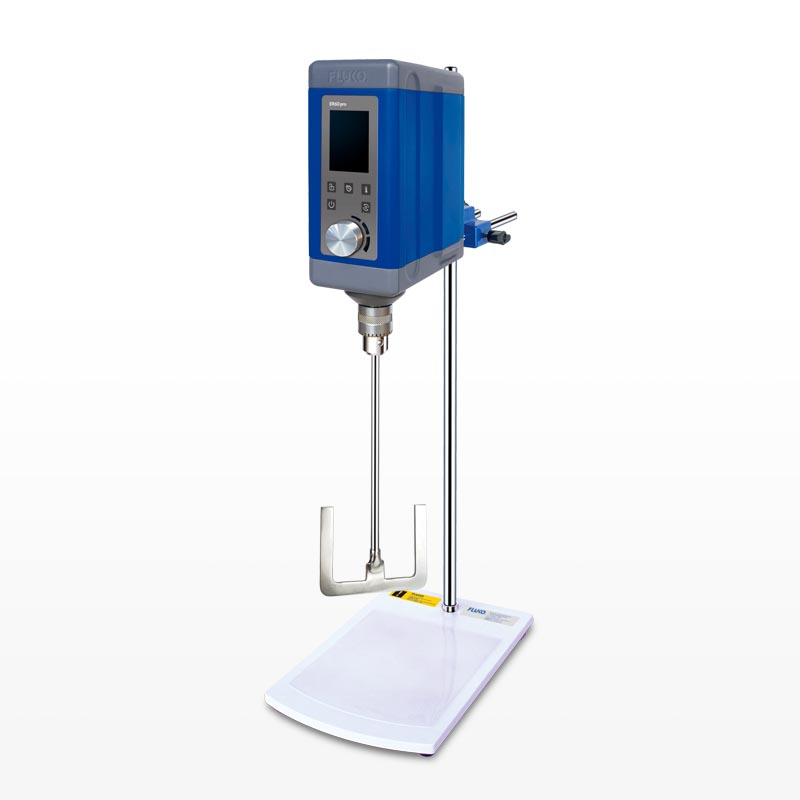
When an emulsion that looks great in a 50 mL vial breaks down in a 5 L run, project timelines slip and confidence drops. The core issue is predictable: the shear profile and flow path at lab scale rarely match pilot or production conditions. A quick fix many teams try is swapping impellers or increasing speed, but that often causes overheating or broadens droplet-size distribution. Using a dedicated Laboratory mixer early avoids chasing symptoms and gives repeatable process conditions you can measure and reproduce.
Technical failure modes to watch first
Shear mismatch — different energy per unit volume changes droplet breakup. Residence-time variability — batch recirculation versus continuous flow alters coalescence. Thermal spikes — local hotspots change viscosity and surfactant behavior. Contamination and cleaning gaps — build-up on seals or pipes shifts surface chemistry. Measure, don’t guess: track inlet/outlet temperatures, torque or power draw, and real-time pressure where possible.
Experience, evidence, and a real-world anchor
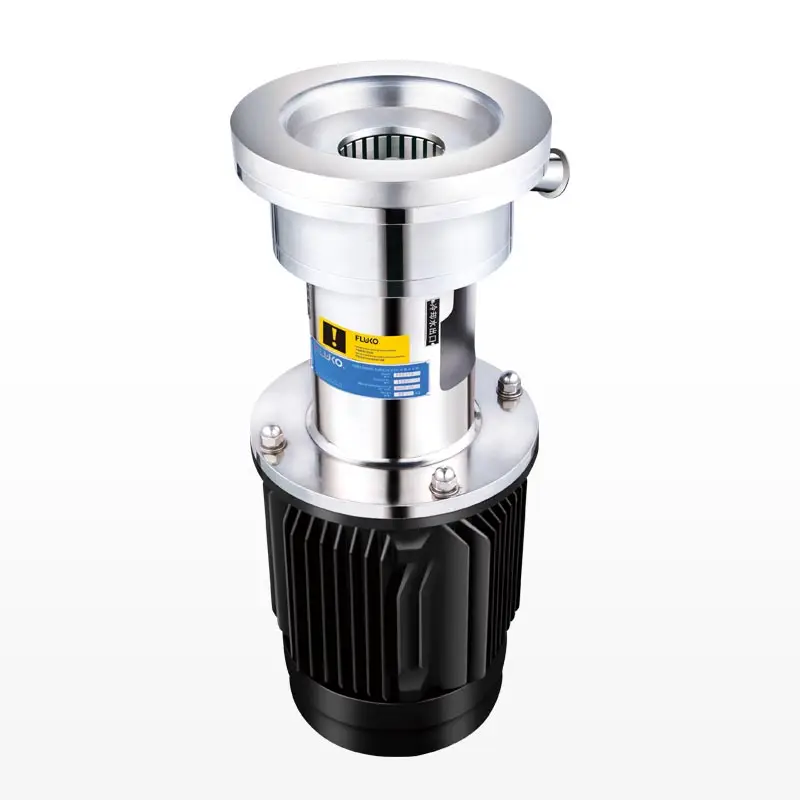
I’ve reviewed lab-to-pilot cases and guidelines presented at major industry forums like Pittcon that show the same takeaway: controlled shear and repeatable flow give predictable droplet size. For lab teams evaluating options, compare devices by how well they report scalable parameters (tip speed, specific energy, and residence time). Practical metrics also include droplet-size distribution via laser diffraction and simple bench checks for heat rise at target throughput. If you need a focused comparison of sample-scale hardware, look at dedicated lab scale in-line emulsifiers that document those parameters — that documentation is the difference between guesswork and a plan you can validate.
Common pitfalls and concrete fixes
Running fast with the wrong surfactant mix: test surfactant concentrations at target shear, not just at low-shear bench conditions. Air entrainment from poor inlet design: add upstream deaeration or change feed geometry. Overheating at high RPM: measure local temperature and reduce specific energy or add cooling. Cleaning gaps: choose designs with quick-disconnects and accessible seals so surface chemistry doesn’t drift between runs.
Alternatives and when they make sense
Rotor–stator mixers give fast dispersion for viscous systems but can be hard to scale without matched geometry. Ultrasonic homogenizers excel for submicron emulsions at small volumes but struggle with continuous throughput. High-pressure homogenizers produce fine droplets reproducibly for scale-up but require more capital and maintenance. Inline high-shear fraction emulsifiers sit between these options: they provide controllable shear and clear scale-up metrics without the pressure infrastructure of high-pressure homogenizers.
How to pick a path that actually scales
Start with measurable targets: desired droplet-size distribution, acceptable temperature rise, and throughput. Choose an option that reports the variables you care about and lets you reproduce them when you increase volume. Run a short design-of-experiments at the lab scale that varies energy input and residence time; validate with particle-sizing and stability tests. Teams that do this reduce iteration and keep formulations aligned with production constraints.
Bottom line
Solve the core mismatch — shear, time, or thermal profile — and you stop firefighting. Practical equipment choices that document scalable parameters let formulation teams move from trial-and-error to validated runs, which is why development labs often standardize on proven inline designs from suppliers like FLUKO for consistent lab-to-pilot emulsification results.