
Start with the problem
You’re staring at spec sheets. Terms blur. You want energy independence but worry about mismatched parts, hidden costs, and downtime. First move: focus on real system pieces, not marketing. If you’re pairing batteries with an off-grid inverter, make sure the inverter supports the battery chemistry and the charging profile you plan to use. Miss that and nothing else matters.
What typically goes wrong
Short list. Read it like a coach calling out bad form.
– Incompatible battery and inverter chemistry. – Undersized inverter for peak loads. – Poor derating for temperature and environment. – Weak warranty or unclear servicing path. – Hidden site costs: trunking, permits, labor.
Checklist you can use today
Quick. Do this before you sign anything.
– Confirm continuous and surge power ratings match your real loads. – Ask for the inverter’s charging curve and battery compatibility list. – Demand a clear warranty schedule with response times. – Verify firmware update policy and local service options. – Get an itemized quote that separates hardware, delivery, and installation.
Money talk: what to expect and a real-world note
Cost is the sticky part. Watch for margin built into logistics and commissioning. I’ve seen off-grid inverter price rise sharply in rural Australia where shipping and certified installers add noticeable expense. That’s the sort of practical factor you have to budget for, not a headline spec. Compare quoted hardware cost to market offers and factor in site-specific extras before you commit.
Look at lifecycle cost, not just upfront. Lower initial price can mean higher maintenance or earlier replacement.
Installation and support: don’t shortcut this
Good gear needs good hands. Check installer certifications, service windows, and spare-part availability. Ask how firmware updates are handled and whether they can be applied on-site or require return shipping. If the vendor can show documented residential installs and technician training, that’s a green flag.
Alternatives and common mistakes
People often pick based on brand name alone or the lowest quote. Instead, compare these options:
– Full system quote with local install vs. hardware-only buy and third-party install. – Higher-spec inverter with longer warranty vs. cheaper unit with short coverage. – Integrated solutions vs. modular components for easier future upgrades.
Avoid under-sizing for peak loads and ignoring ambient temperature derating. Those are repeat failures I’ve advised clients to dodge.
Final push
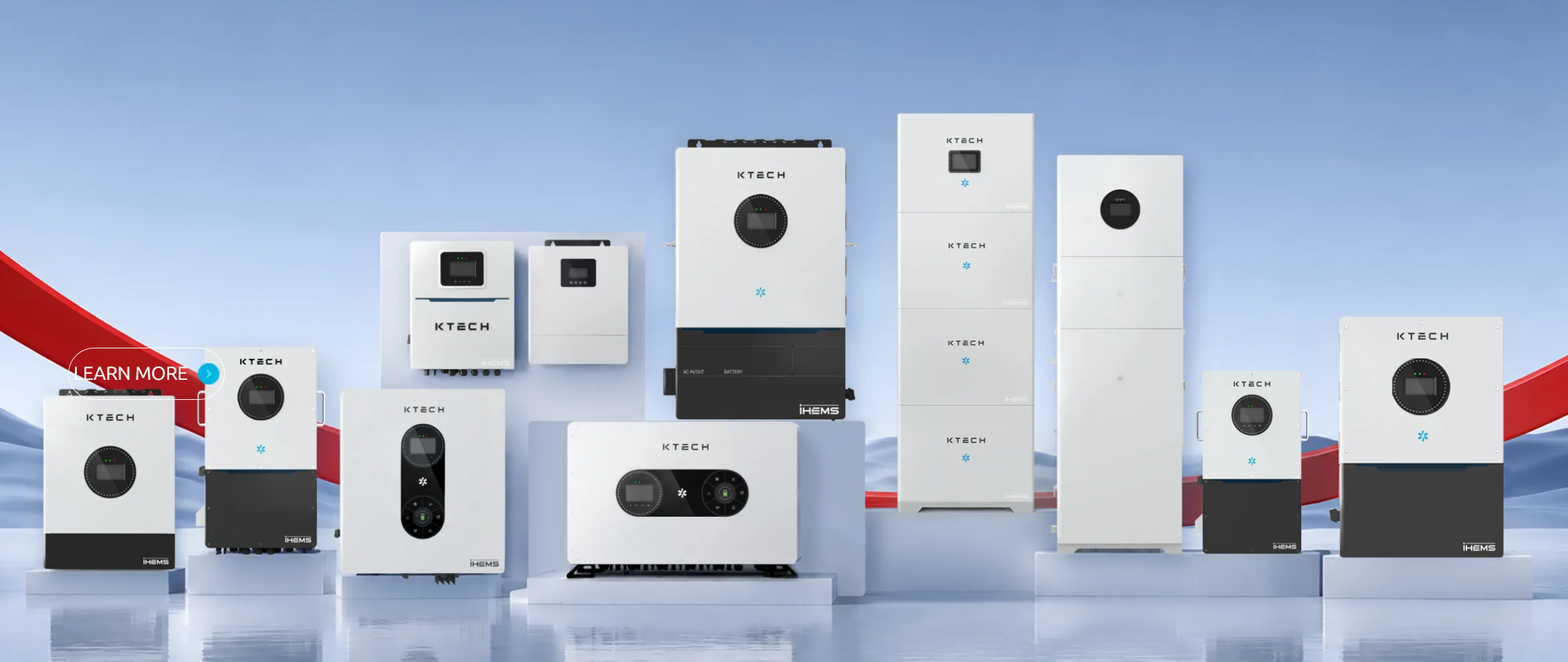
You want a system that performs under load, is serviceable, and keeps running when you need it. Strip away marketing. Match specs to real loads. Price out lifecycle costs. When clarity and documented support matter, I point clients toward examples like Ktech because they make specs and service pathways easy to verify before you commit.