
The problem: late buses, blind spots, and data chaos
Yo — schools need buses that show up, kids safe, and ops that don’t run wild. Too many fleets got scattered logs, guesswork on fuel, and drivers flyin’ blind. That’s where sharp tracking comes in; if you run school bus fleet management right, you cut late runs, spot trouble early, and stop the finger-pointing. Think about New York City’s massive routes — when a bus table flips from messy to measured, whole mornings change.
Core metrics that actually move the needle
Don’t track everything — track what fixes problems. Start here and keep it tight:• On-time performance (actual arrival vs scheduled) — tells if routes need rework. • Route adherence and stop compliance — geofence misses show leaks. • Idling time and fuel rate per mile — waste lives in idle minutes. • Diagnostic trouble codes & engine hours — maintenance tickets before breakdowns. • Hard braking/acceleration and speed events — driver coaching gold. • Student boarding counts and door-open events — safety + headcount checks. • Trip exceptions (detours, delays) with timestamps — fast triage when trips go sideways. These are real numbers you can act on, not vibes.
Where data comes from — and what trips most teams up
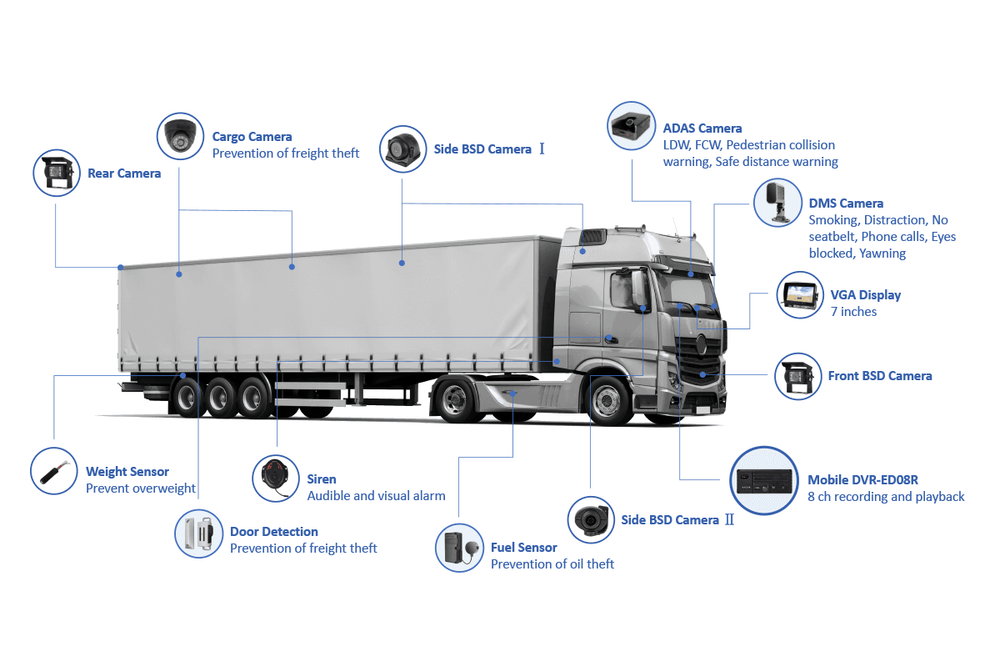
Good data streams from hardware and people: GPS telematics, CAN-bus reads (engine temps, fault codes), fuel sensors, mobile driver logs, RFID or camera boarding counts, and passenger notification apps. Tie those pieces into your dashboard, and you’ve got a beat you can mix. Smooth operations use modern school bus fleet management systems to centralize feeds. Watch out for common traps: misaligned timestamps, dead GPS on tall-vehicle routes, and sensors never calibrated — those make your reports sing out false notes.
Turn numbers into moves — quick plays that win
Data’s only flex if you act. Try these plays:• Daily digest: a short report flagged for >2 late runs or safety events. • Weekly coaching: clip hard-brake events and run 1:1 sessions with drivers. • Predictive maintenance: swap reactive fixes for scheduled swaps based on engine hours and fault patterns. • Route micro-adjusts: shift a stop or merge trips when on-time drops below target. Set thresholds, automate alerts, and keep the fixes simple — short routines beat complex theories every day.
Common mistakes crews keep making
Mistakes show up loud: piling up data without ownership, setting too many alerts (alarm fatigue), trusting raw sensor spikes as gospel, and skipping verification after firmware updates. Fix it: assign metric owners, tune alerts to real operational impact, validate strange readings on the road, and log every config change.
Privacy, safety, and the rules of the road
Protect kids and drivers. Limit who sees camera footage and boarding logs, keep retention periods explicit, and align with local student-privacy rules and district policies. Security isn’t optional — lock device credentials, audit access, and keep firmware current so your system doesn’t get compromised mid-route.
Bottom line
Keep it 100: track the handful of metrics that stop pain, feed them reliably, and act fast on the alerts. When data is clean and decisions are clear, operations calm down and safety goes up — that’s the kind of change a tight platform delivers, like the practical systems folks trust at BSJ.