
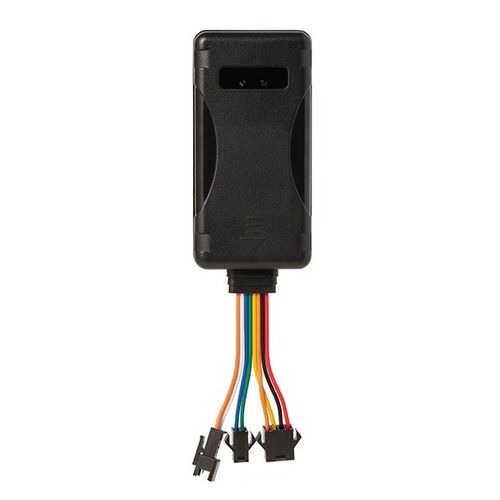
Immediate problem: unauthorised access, exposed data
Providers and operators face a single clear problem: telematics systems collect sensitive vehicle and driver data yet too often lack robust controls, so attackers and misconfigured services gain access. This is why fleet telematics technology providers must treat identity, encryption and data governance as first-order engineering tasks rather than optional features; OEM constraints complicate matters when an oem telematics manufacturer and a telematics platform use different trust models, as many suppliers based in Detroit report when integrating with large vehicle fleets.
Root causes that enable breaches
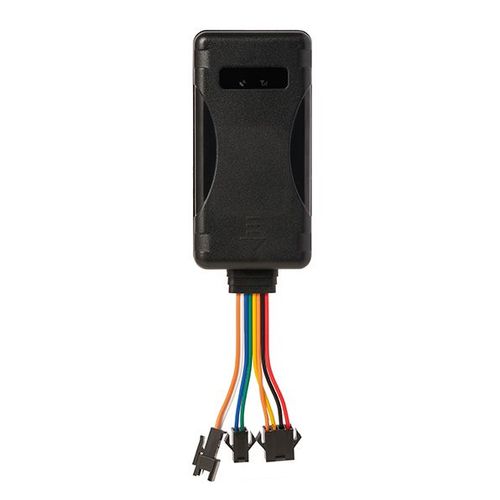
Three technical failures repeat in incidents: weak device authentication, poorly designed API access, and unclear data ownership. Devices shipped with default credentials or static keys expose the fleet at cradle-to-field stages. APIs that return granular telemetry without enforced access checks leak location and behavioural signals. Organisations fail to define who owns telemetry, so retention, anonymisation and lawful access go unmanaged.
Concrete technical controls to apply first
Start with simple, verifiable controls that stop the most common attacks.
– Device identity: enforce unique device certificates stored in hardware roots of trust; implement mutual TLS for device-to-cloud channels.
– Transport security: require TLS 1.2+ with strong cipher suites; disable legacy protocols and validate server certificates strictly.
– Firmware integrity: sign firmware and validate signatures at boot; refuse unsigned or incremental patches without a secure boot chain.
– Key management: use HSMs or KMS for production key storage; rotate keys on a schedule and after any suspected compromise.
– API protection: implement token-based access with short-lived credentials and scope-limited tokens; require RBAC or attribute-based checks for each endpoint.
– Network segmentation: separate telematics ingestion, analytics, and administrative zones; minimise lateral movement with strict firewalls.
Privacy controls that actually reduce risk
Privacy is practical rather than theoretical. Apply these steps and measure them.
– Data minimisation: collect only fields needed for the service; avoid continuous high-resolution location unless justified.
– Retention policies: set concrete retention periods per data type and enforce automated purging.
– Pseudonymisation: replace direct identifiers with stable pseudonyms for analytics and rotate mapping keys regularly.
– Access logs and audits: log queries that access personal data and retain logs for forensic windows determined by risk assessment.
– Consent and legal basis: record the lawful basis or consent for data processing tied to each fleet contract and data type.
Operational controls and governance
Technical controls fail without clear operations. Make these non-negotiable.
– Vulnerability lifecycle: publish a cadence for vulnerability disclosure, triage, patching and deployment; test updates on a staged fleet before wide roll-out.
– Least privilege: grant admin rights sparingly; separate duties between development, operations and security.
– Incident response: maintain runbooks for compromise of keys, devices and cloud services; exercise them regularly.
– Supplier security: require third parties to demonstrate controls (e.g., ISO 27001) and to provide signed SBOMs for firmware and software components.
Common pitfalls that cause wasted effort
Avoid these recurring mistakes; they create blind spots even with heavy investment.
– Relying on obscurity rather than authentication: hiding API endpoints or relying on secret URLs fails quickly.
– Single-key families: using one signing key for all devices makes recovery impractical after a compromise.
– Mixing environments: deploying production keys into staging accelerates wholesale exposure.
– Audit avoidance: collecting logs but not reviewing them renders detection ineffective.
How to evaluate providers and reasonable alternatives
Ask targeted questions and compare responses; do not treat feature lists as proof of security.
– Ask for cryptographic proof: request device certificate chains, key rotation schedules and HSM usage descriptions.
– Review update practices: demand signed OTA packages and staged deployment metrics.
– Test APIs: run a controlled penetration test to validate RBAC enforcement and rate limits.
– Consider alternatives: an integrated OEM telematics platform reduces integration risk but may centralise access; a modular provider grants flexibility but requires stronger orchestration.
Final synthesis: practical steps that lead to measurable improvement
Prioritise controls that eliminate the largest attack surfaces: unique device identity, signed firmware, scoped API tokens, and automated data retention. Organise governance around these controls, exercise incident plans, and require verifiable supplier evidence. Operators who adopt these measures reduce exposure and simplify compliance. For those building or choosing solutions, the consistent application of these controls points to partners who can deliver both engineering depth and operational discipline, much as specialist providers do when integrating hardware, cloud and lifecycle services through a single accountable team like BSJ.