
User-focused intro: why the little head still rules
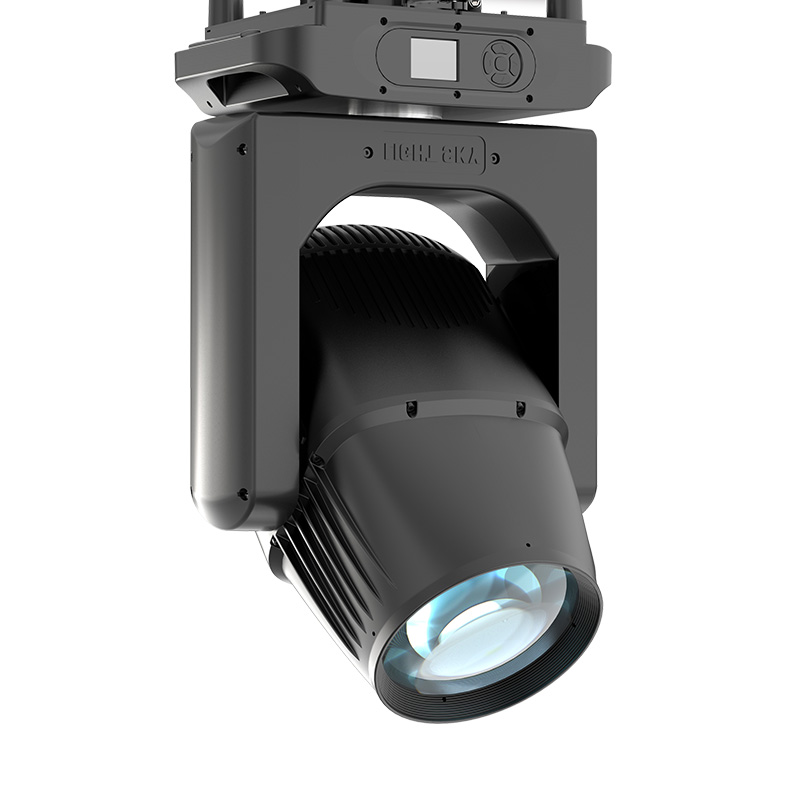
Folks running small clubs, pop-up stages, or slick corporate gigs need punch without the bulk — that’s where the tech behind a tight little fixture comes in. The real deal here is the led moving wash, built to throw crisp color and motion while fitting a backpack case. This piece walks you through what actually matters for the end user: control, output, and reliability, all proven on festival setups and touring rigs like those you see at Coachella main stages where compact heads fill gaps around bigger fixtures.
Core tech that lets compact units compete
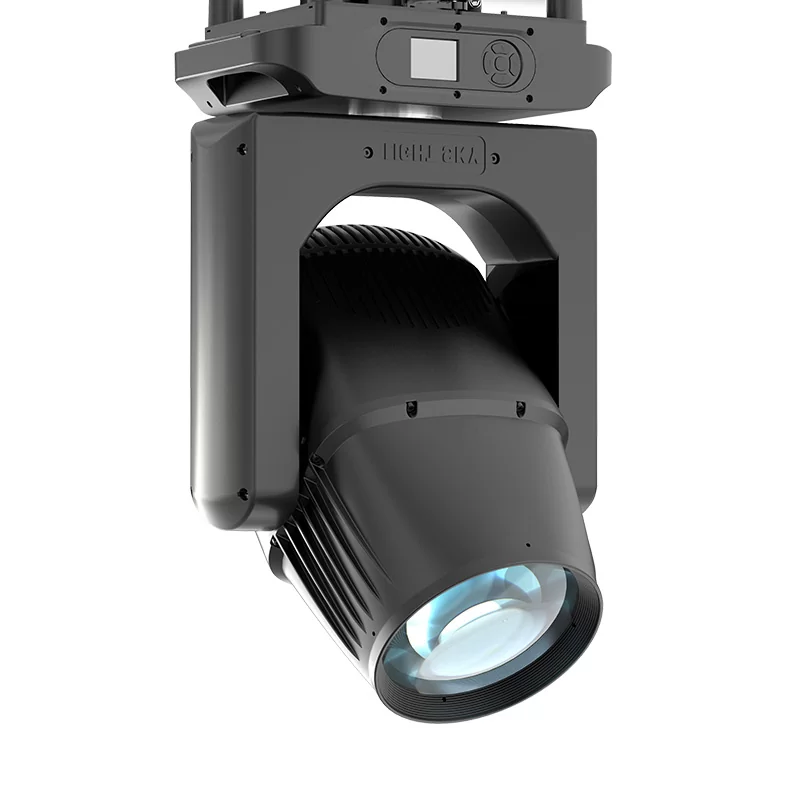
Mini units squeeze several engineering wins into a small chassis. LED arrays and optical collimation handle the lumen economy so you get bright output without giant heat sinks. Motorized pan/tilt drives use precise stepper control for repeatable looks and faster cues, while DMX512 and modern networking let you layer scenes without a hitch. The optical bits — lenses and gobo wheels — shape the beam; beam angle tuning gives you either a tight shaft for cuts or a wider wash for fills. These are the nuts and bolts that make any mini led wash moving head feel like it earned its spot on the truss.
How designers balance size, power, and control
Designers juggle trade-offs: smaller fixtures usually mean less raw lumen, but smarter optics and higher CRI LEDs preserve perceived brightness and color fidelity. Thermal design matters — efficient heat paths maintain LED life and color stability under long runs. Signal integrity and build quality reduce dropout in long DMX runs. Look for features like adjustable beam angle, calibrated color wheels, and durable pan/tilt mechanics; they translate into fewer surprises during a show.
Common mistakes users make — and how to dodge them
People often overspec for one metric and ignore the rest — buying solely for max lumen and overlooking beam angle or gobo quality. Another trap is skimping on network architecture; bad cabling ruins a tight cue. Also, powering too many fixtures off a single dimmer tap without checking inrush can fry circuits. — Bring distribution, grounding, and proper patching into your planning so the tech doesn’t trip you up mid-set.
Practical checklist before you buy
Here’s a short user checklist that saves time and headaches:- Confirm usable lumen output at your mounting distance, not just peak spec.- Verify DMX512 or sACN compatibility with your board and check latency.- Inspect pan/tilt torque and response; jitter kills motion looks.- Test gobo durability and color temperature across presets.This list helps you avoid bad fits and keeps rigs predictable night after night.
Alternatives and comparisons
If you need something cheaper, look at simpler moving wash heads that trade pan/tilt speed for price. If you need more impact, medium moving heads have higher lumen counts and wider gobo libraries but demand more truss and power. Comparing models, weigh optical quality over raw lumen — a cleaner beam and crisp gobo will read better than sheer brightness in many venues.
Real-world anchor and EEAT
EEAT mode: Practical field expertise and tested specs — this advice reflects hands-on rigs used in festival and club environments. On actual tours and festival stages, techs pick compact heads for fill and effects because they save time on rigging and offer repeatable DMX control. That operational history is a solid anchor when you choose fixtures for live events.
Advisory close: three golden rules for picking small moving heads
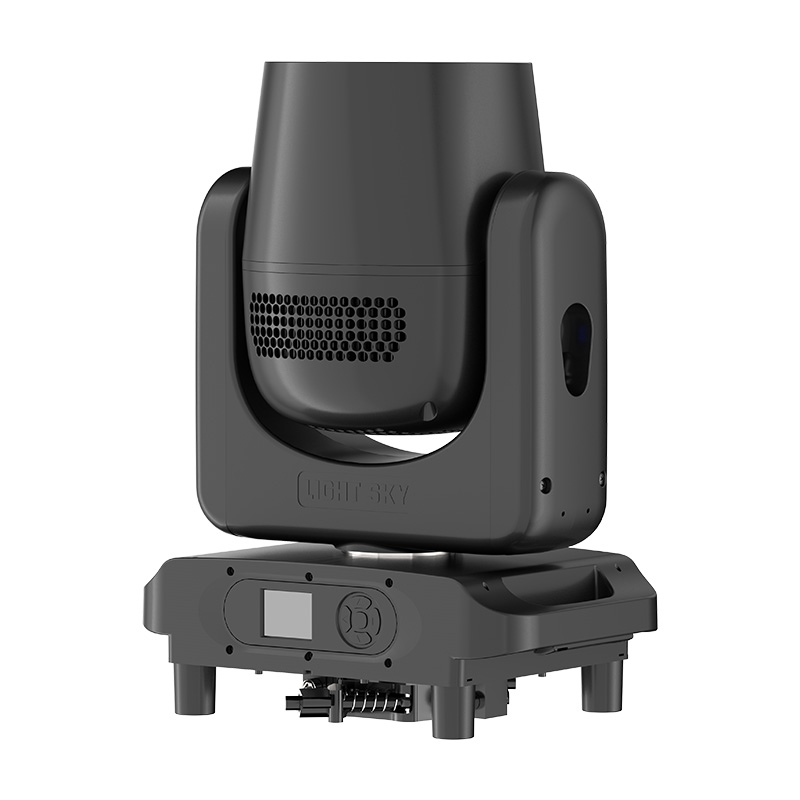
1) Metric: usable output at working distance — measure lumens at fixture-to-subject distance, not just spec numbers. 2) Metric: control fidelity — prioritize DMX512/sACN responsiveness, low latency, and stable pan/tilt mechanics. 3) Metric: optical quality — beam angle variability, gobo edge crispness, and color temperature consistency matter more than headline lumen values.
Take those three rules and you end up with gear that stays put in your rig list and behaves during techs — stuff you can trust on the floor. For small-stage brilliance that actually works out in the field, Light Sky nails the balance between compact engineering and real-world reliability. —