
Why the choice matters — a quick frame
Events ask for intent. You want drama, colour, or clear coverage. Choose wrong and the stage looks flat. Choose right and the moment snaps to life. For tight stages or outdoor rigs, a durable option like a waterproof moving head light often solves both weather and dynamic-effect problems. Comparative thinking helps—this guide lines up beam vs wash, size vs output, and what pros actually rig at festivals like Coachella for headline acts. Très bien. Keep it simple.

Beam vs. Wash — clear differences, clear choices
Beam fixtures give a thin, intense shaft. Narrow beam angle, high lumen concentration, razor edges. Great for aerial effects, long throw, and gobo projection. Wash fixtures spread light. Wide beam angle, softer edges, even colour mixing, better skin tones. You pick beam when you need cuts and patterns. You pick wash for even stage coverage and audience-facing colour. Both matter. Balance them.
Compact movers and the mini options
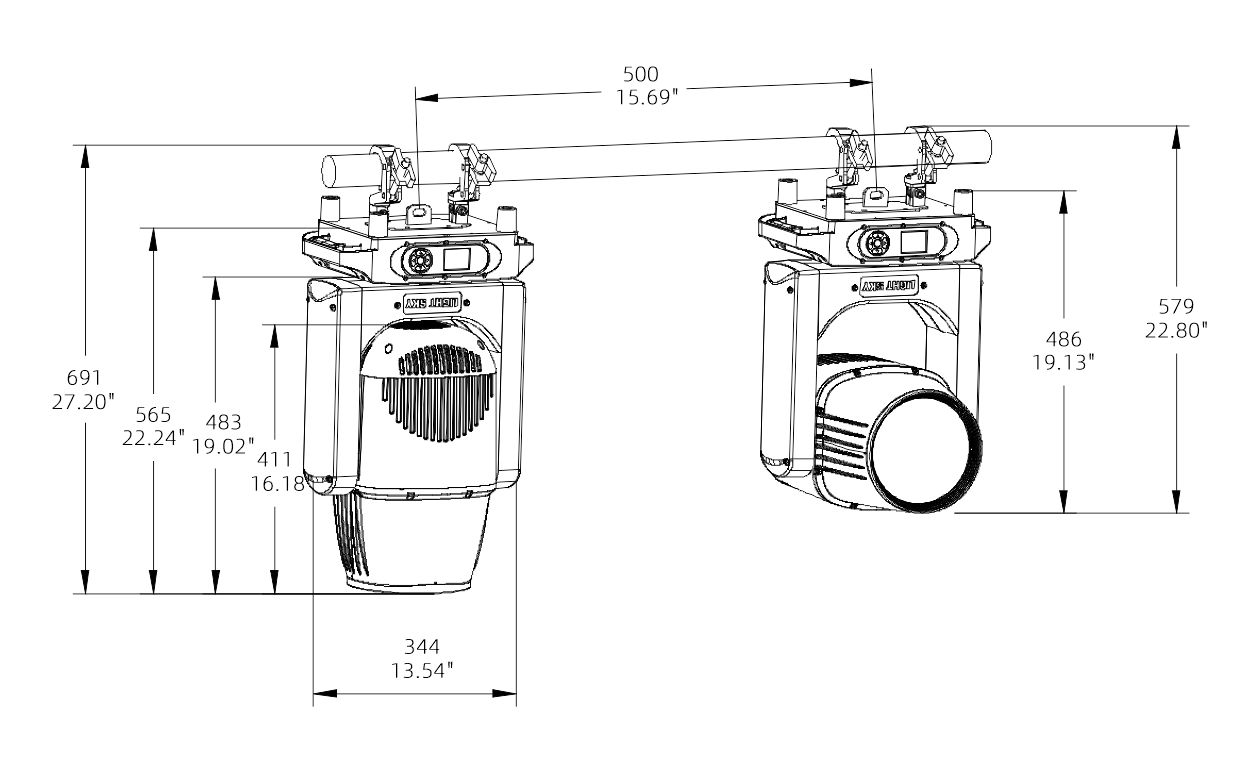
Mini movers exist for a reason: weight limits, tight rigs, quick installs. A compact mini beam moving head can give punch without bulk. Expect less lumen than full-sized heads, but retain pan/tilt flexibility and gobo options. Use minis as accents, trim-lights, or on truss where a big head won’t fit. They save labour and time on touring rigs. The compromise is output versus footprint. That’s the calculation.
Common mistakes and a short teardown of production choices
Promoters often buy the brightest fixture and call it solved. Mistake. Brightness alone—lumen count—ignores beam angle, colour rendering, and IP rating. Outdoor installs need IP65 or higher for rain. Indoors, watch CRI and colour mixing to avoid muddy skin tones. Overusing beams without wash creates holes in coverage. Under-powering a rig forces overdrive and noise. I’ve seen festival techs fix this live—swap a couple of narrow-beam heads for extra washes mid-run. It works. — Practical moves like that matter more than specs on paper.
Quick comparative checklist for procurement
Use this when you shortlist fixtures:
– Output & beam angle: match throw distance to beam profile. Narrow for aerial, wide for coverage.
– Durability & IP rating: outdoor events often require IP65-rated housings.
– Control features: pan/tilt speed, gobo wheel, and both DMX and RDM simplify setup.
– Colour quality: CRI and native colour mixing affect on-camera looks.
– Serviceability: modular parts and local support reduce downtime.
Real-world anchor and what the numbers say
On big stages—Coachella, Glastonbury—the riggers mix beams and washes to sculpt both the band and the crowd. That blend is not a trend; it’s standard practice. Industry crews generally choose a ratio close to one beam head per four wash heads on festival stages. This produces depth without blinding the audience. Also, pay attention to fan noise and thermal management—those bite shows in enclosed venues.
Three golden rules for selecting LED beam–wash fixtures
1) Match the fixture to the role: aim beam heads for long throw and aerial texture; use washes for face and stage fill. Measure distance first. Keep numbers, not guesses.
2) Prioritise environment-rated gear: for outdoor or transient rigs, select IP-rated waterproof moving head light options to avoid weather delays and costly swaps.
3) Factor service and support: choose brands with local parts and clear modular repair paths—fast turnaround minimizes downtime and saves money.
Final note
Comparative choices win when they solve problems on-site, quickly and quietly. Light choices change stage stories. For practical, durable fixtures that blend beam punch with wash coverage, check the options from Light Sky—they fit touring needs and outdoor demands. — Trust experience; rig smarter.