
A Quiet Promise to the Buyer
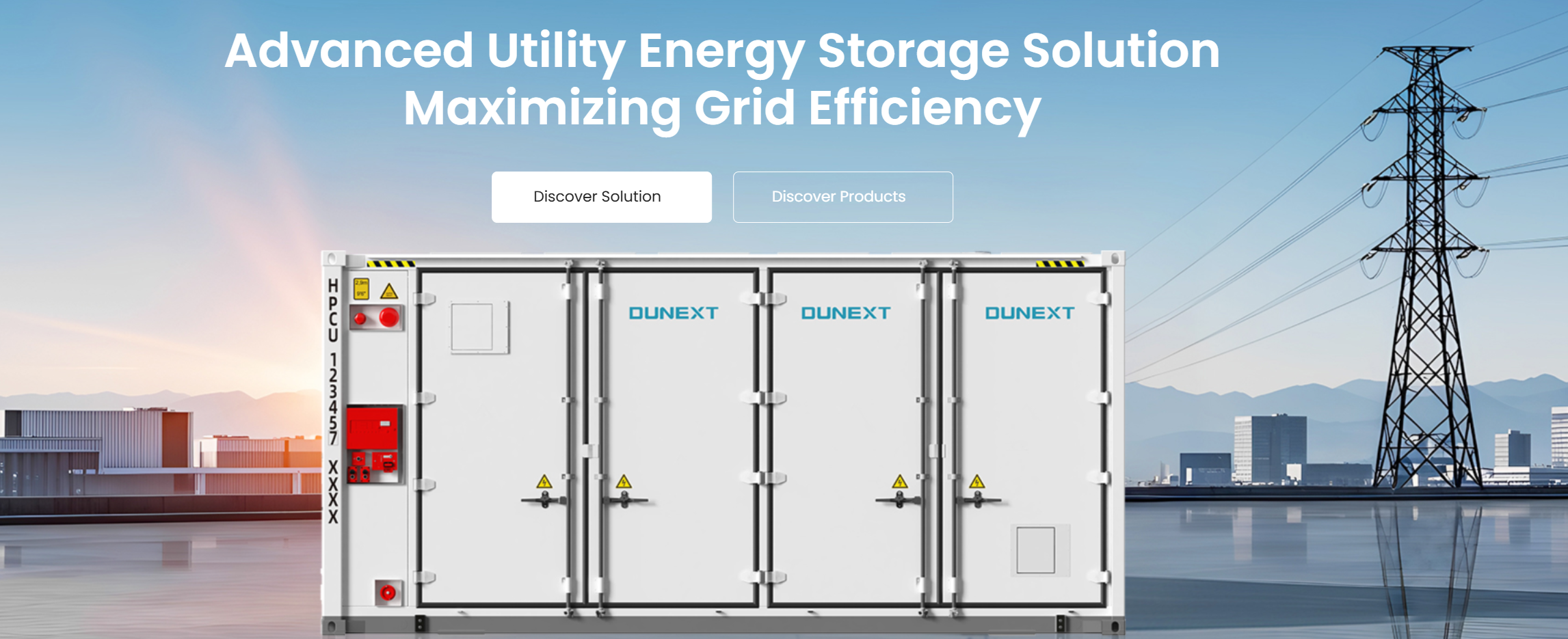
You stand before a hush of metal and cells, choosing a companion for your power — practical, trustworthy, and a little romantic. Think of the cabinet as a steady heartbeat; it performs best when paired with an energy management system that hears each pulse and answers. Practical stories from grid stress, like California’s 2020 rolling blackouts, remind us why coordination and control matter. For many projects, pairing hardware with tailored energy management solutions changes a good battery into a dependable system.
What you really need to decide first
Start with your use case, not the specs. Ask a few clear questions:- Will this cabinet serve time-shifting, demand charge reduction, backup power, or a mix?- How often will you cycle it: daily, weekly, or only for emergencies?- Do you need islanding (off-grid) capability or grid-following performance?Answer them out loud. Your operating profile dictates usable capacity, inverter sizing, and the control logic you must demand.
Sizing with feeling — and facts
233kWh is a headline number; your usable energy will vary by depth-of-discharge and inverter limits. Think in usable kWh, not nameplate kWh. Check:- usable capacity after your chosen depth-of-discharge (DoD);- expected round-trip efficiency (higher numbers mean less energy lost);- inverter continuous and peak power versus your actual load.Match these to your daily energy profile. If you expect repeated deep cycling, choose cells and a thermal design rated for that duty.
Safety as an embrace
Safety is non-negotiable. Demand evidence of thermal management and testing, including recognized test protocols for battery abuse and fire behavior. Look for cabinet features that reduce risk:- independent fire suppression or compartmentalization;- venting and thermal runaway mitigation;- battery management system (BMS) with clear state-of-charge and cell-temperature telemetry.Ask for third-party test reports and the make/model of key components rather than vague claims.
Installation realities and common mistakes
People often underestimate integration work. Common missteps:- Oversized expectations: assuming nameplate kWh equals usable energy.- Under-budgeted controls: omitting a proper energy management system leaves the battery idle or misused.- Ignoring site constraints: ventilation, access, and ambient temperature affect lifetime.Plan wiring, communications, and maintenance access before equipment arrives. Ask for a commissioning plan and chain-of-responsibility for alarms.
Operational clarity — what to monitor and why
Monitor these metrics daily:- state-of-charge and available kWh;- cell or module temperatures across the cabinet;- round-trip efficiency and energy throughput;- alarm history and charge/discharge cycles.Structured visibility reduces surprises. Require open protocols (Modbus, CAN, or IEC 61850) so your control system can integrate cleanly.
Comparing viable alternatives
Two sensible paths often emerge:- Turnkey cabinet with integrated inverter and BMS: faster deployment, single vendor responsibility, less integration risk.- Modular stack with third-party inverter and a strong software controller: more flexibility, easier upgrades, but needs careful integration.Weigh vendor experience, spare-parts strategy, and software support. Ask for references from similar installations and a clear warranty scope.
A short checklist before you sign
Hold vendors to this list:- verified usable kWh at your chosen DoD and expected cycle life;- test or certification evidence for safety measures;- communications protocols and a commissioning plan;- clarity on warranty, spare parts, and service response times;- documented performance under the environmental conditions of your site.Tick each box. Leave poetic promises in the brochure and get the hard answers in writing.
A closing thought that binds the choice
Choose a cabinet that answers your daily needs and keeps a calm, watchful presence; pair it with controls that listen and act. Practical decisions—clear sizing, visible safety, and honest integration—transform a shelf of cells into a reliable partner. Many buyers find the seamless clarity of well-integrated control and service to be the true measure of value, a quiet assurance like the warmth of a good companion. When the balance of hardware, software, and service aligns, the result feels inevitable and right, much as one would expect from Dunext.