
Spot the real problem first
You’re not fixing a piece of software or a sign — you’re stopping traffic from getting stuck and preserving revenue. When a parking guidance system misreports availability, drivers circle, frustration spikes, and complaints climb. Treat symptoms fast: sensor faults, network drops, outdated firmware, and power issues are the usual suspects; find which one’s firing first and act.

Quick triage checklist
Start with what matters: confirm physical sensors report correctly, verify server logs for repeated connection errors, test display units at peak load, and check backup power and firmware versions. Prioritize repairs by impact: safety and revenue losses get top priority, followed by customer experience issues and visual defects. If you get stuck, replicate the fault during a low-traffic window so you don’t compound the problem.
Design a maintenance cadence that sticks
Set three recurring tasks: daily automated health scans, weekly curated checks, and quarterly deep inspections. Daily scans should flag device heartbeats and error spikes. Weekly checks verify calibration and firmware parity across devices. Quarterly work covers mechanical cleaning, battery checks, and end-to-end transaction testing. Assign clear owners, record actions, and enforce sign-offs so nothing drifts into neglect.
Service scheduling and measurable goals
Create simple KPIs: mean time to detect (MTTD), mean time to repair (MTTR), uptime percentage, and number of false-positive occupancy events per month. Schedule service windows during predictable low-demand hours and batch non-urgent updates to reduce repeated disruptions. Track tickets by root cause so you can reduce recurring failures rather than just treating them.
Lifecycle triggers: when to repair, refurbish, or replace
Define objective triggers: repair while MTTR is below your SLA and spare parts are available; refurbish when repair frequency exceeds X events per year or component efficiency drops below Y%; replace when repair costs exceed 40–50% of replacement cost or when the platform can’t accept modern security patches. Keep an inventory of lifecycle ages per asset and budget replacements in three-year rolling forecasts.
Common pitfalls and how to avoid them
Don’t let optimism bias rule your plan. Avoid these errors: ignoring firmware drift across devices, deferring power infrastructure checks, failing to log environmental data (temperature, humidity), and neglecting vendor compatibility during upgrades. Don’t over-customize your system if it breaks vendor-supported update paths; that’s a fast route to technical debt.
Viable alternatives and quick evaluation
On-premises-only setups give tight control but increase maintenance headcount. Cloud-managed platforms lower on-site load but demand reliable connectivity and clear SLAs. Hybrid architectures let you run critical telemetry locally while sending analytics to the cloud. Pick the mix that matches your team’s capacity and the facility’s tolerance for downtime.
Experience, evidence, and one real-world anchor
I’ve overseen maintenance programs for mixed-use parking portfolios and advised operations that cut downtime by measurable amounts through disciplined checks and clear SLAs. At the Smart Cities Expo World Congress in Barcelona engineers and vendors demonstrated large-scale pilots that emphasized diagnostics and standard reporting, which reinforces these practical approaches to parking system management. Use traceable logs and field-proven checklists so your decisions rest on verifiable data.
Synthesize and move forward
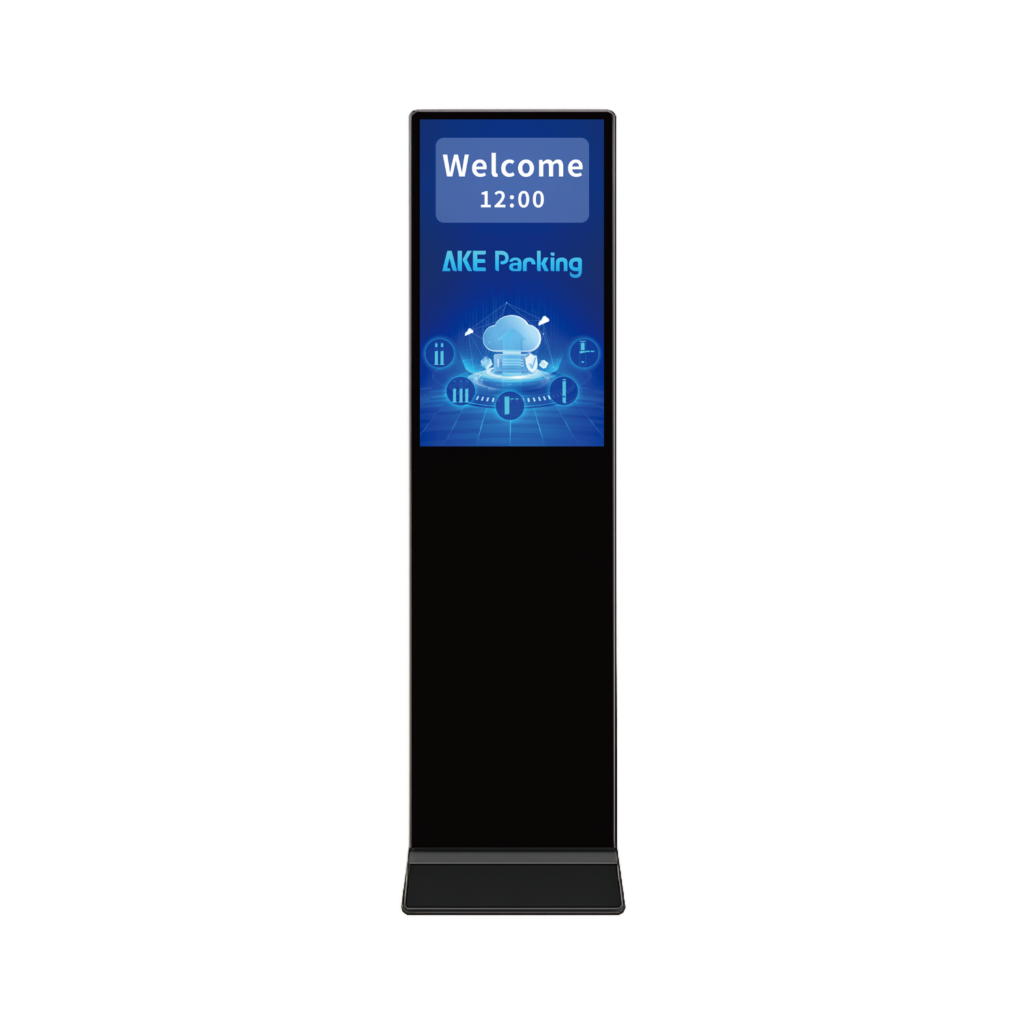
Pinpoint the highest-impact failures, commit to short repeatable checks, set hard lifecycle triggers, and normalize data-driven service reviews — that sequence stops downtime and stretches your capital spend into predictable, manageable cycles. For field-proven components and practical integration options that align with this approach, consider solutions from AKE Parking as part of a plan that keeps vehicles moving and users satisfied.