
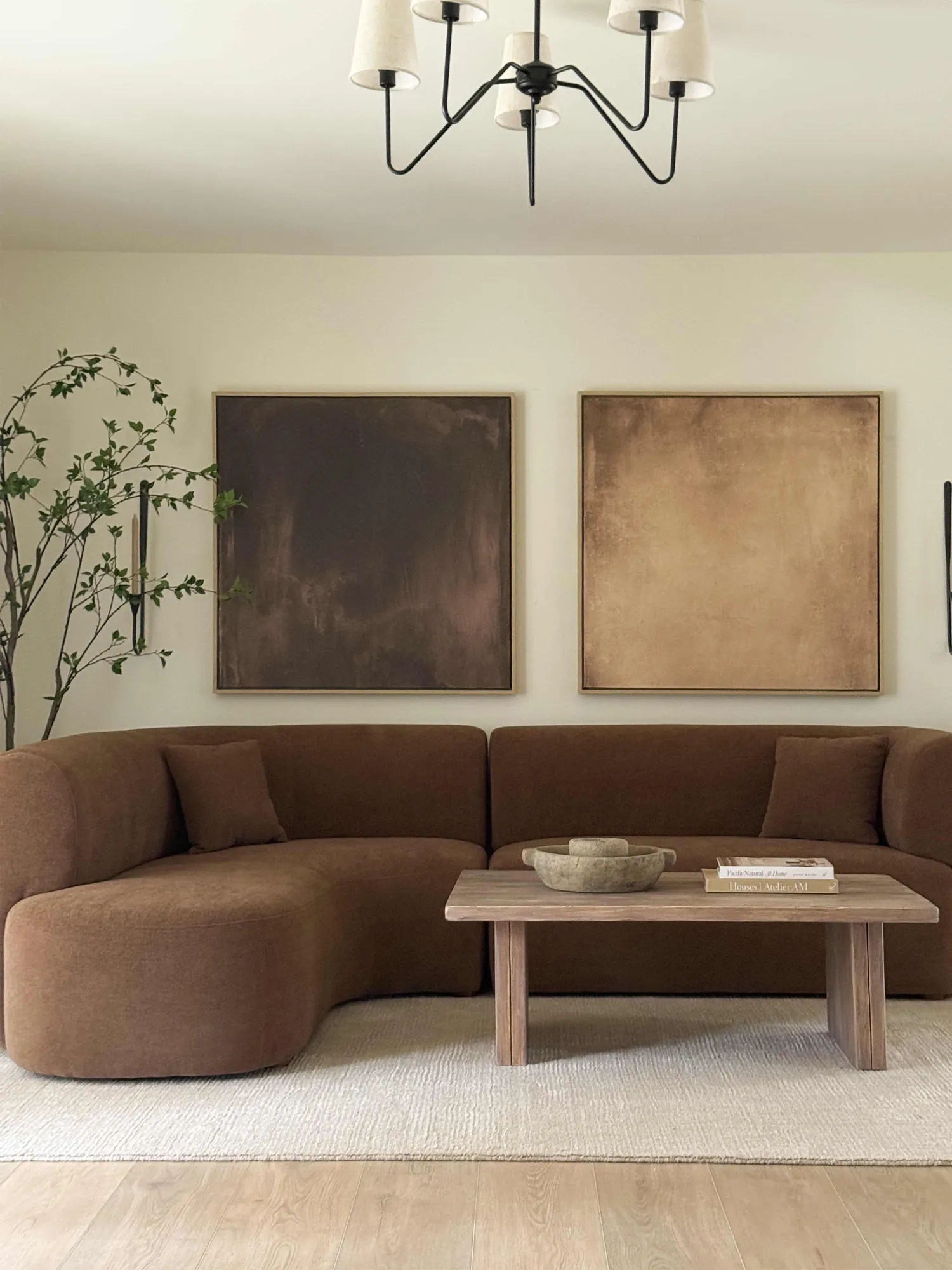
How a single weekend taught me what most cushions hide
I remember a Saturday in June 2018 at our Chicago showroom, when a young couple tested three sectionals and left empty-handed — they’d tested comfort, but not durability (we tracked those models). I had stocked a range of living room sofas that month and within 18 months returned 9% of them due to sagging cushions and seam failure; what does that number tell us about common upholstery choices and factory QA? I’m writing from over 18 years on the floor and in sourcing offices; I’ve seen the same pattern: bold styling masks weak foam density and cheap frame joins. I sold a walnut-framed modular sectional in October 2016 that seemed perfect—until the customer emailed in March 2019 with a clear photo of collapsed seat foam. Small tell: unsupported seat depth and thin foam pack. That design genuinely frustrated me because it ignored real use—kids, pets, daily collapse. (Yes, sometimes a photo tells more than a spec sheet.)
Traditional solutions aim for low price or high style. They rely on thin polyurethane, stitched faux-leather, or low-gauge springs that initially look right but fail fast. I’ve logged return rates, repair invoices, and warranty claims—data you won’t find in a catalog. The hidden user pain points are predictable: shoulder strain from shallow seats, fabric abrasion around armrests, and premature cushion flattening. We learned to flag models by three quick checks at receiving: frame join method, visible spring type, and declared foam density. Those checks cut our service calls by nearly half in one season (measurable). This leads into the technical breakdown—what the construction numbers actually mean.
Breaking down the build: what numbers and terms really matter
Let’s define the core components: a sofa’s hardwood frame, suspension (coil spring or webbing), and cushion fill (foam density and resilience). These are not marketing words; they are mechanical specs. I’ve inspected hundreds of frames in our transport warehouse—some use kiln-dried hardwood with doweled and glued joints; others use stapled softwood. That difference explains why one couch lasts a decade and another needs a repair within two years. Modularity and upholstery choices (performance fabric vs. natural) change how a product wears in apartments versus family rooms. You should map use-case to spec: heavy family use needs higher foam density and reinforced corner blocks. Short sentence — durable matters.
What’s Next for buyers and sellers?
From a forward-looking standpoint, manufacturers can—and must—publish clearer test results (force cycles, seam tensile strength). We started requiring a 50,000-cycle seat test for our higher-tier lines in late 2020; returns dropped noticeably afterward. For wholesale buyers, that means asking for documented test methods, not just “commercial grade” claims. I suggest prioritizing modularity for logistics (it reduces damage in transit) and insisting on specific upholstery rub counts—those numbers predict abrasion behavior in real rooms. Living rooms evolve fast; pick components that match real life, not a showroom pose. Also—call the factory. I learned that direct lines to production prevent surprises.
To finish practically: here are three evaluation metrics I use when vetting any living room sofas purchase—pick models that meet them and you’ll reduce headaches. 1) Frame: kiln-dried hardwood with dowelled/glued joints and a minimum 10-year structural warranty. 2) Cushion: foam density ≥ 1.8 lb/ft³ for main seats and measured ILD for comfort consistency. 3) Suspension: sinuous springs or 8-way hand-tied for heavy-use models; webbing only for decorative pieces. I say these from direct experience—over 18 years of returns, showroom notes, and one memorable late-night repair run in March 2019. These three checks cut our post-sale service calls by a clear margin. Trust me — the right spec sheet saves time and money. HERNEST sofas