
Introduction: A Harbour Tale, Some Numbers, One Question
I remember watching a small fishing launch limp back to port with smoke staining the sky — a simple tale that repeats along many coasts. An electric motor sits at the heart of modern propulsion systems, replacing noisy diesel units and promising lower running costs and cleaner wakes. Across coastal fleets, studies show an uptake of electric drives rising by double digits yearly (local docks report up to 18% growth in retrofit inquiries). So, if the tech is available and operators want cleaner runs, why are conversions still so patchy — and what keeps many owners from making the leap?

The situation is part practical, part cultural. Shipyards, retro-fit shops and owners often speak different technical languages; budgets clash with expectations. I’ll walk you through the real problems and the modest fixes that get boats moving quietly and reliably. — Let’s move on to the core technical gaps next.
Part 1 — Where Traditional Fixes Fall Short (Technical View)
electric motors look straightforward on paper, but many retrofits fail because they treat the motor as a drop-in replacement rather than part of a system. I’ve seen projects where the motor, battery, controller and hull were selected independently. The result: mismatched torque curves, overloaded inverters, and poor cooling for the stator and rotor. Thermal hotspots shorten service life; torque ripple increases vibration and accelerates wear on couplings. In short: the parts were fine — the integration was not. Look, it’s simpler than you think when you trace the failure to one mismatched link.
Another recurring error is underestimating power electronics. PWM controllers, power converters, and battery management systems must be matched to the motor’s electrical profile. Cheap controllers can introduce electrical noise, causing erratic throttle response and even damaging sensors. Waterproofing and connector quality are often relegated to the end of the spec list — that’s a mistake when marine salt and spray will test those seals daily. I’ve logged projects where a single corroded connector created weeks of downtime. The hard lesson: robustness costs less over time than frequent repairs.
Why does integration break down?
Because each discipline — electrical, mechanical, control systems — has its own priorities and metrics. Without a single systems view, trade-offs become failures.
Part 2 — New Principles for Better Outcomes (Future-Focused)
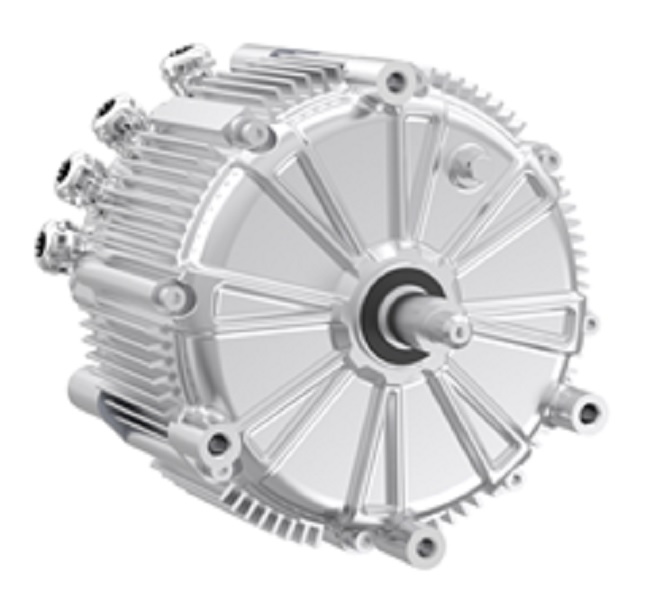
Having seen those fractures, I now favour a system-first approach. For boat motors, that means designing the motor, controller, and battery as a matched set from day one. Brushless DC designs give better torque density and lower maintenance, while improved power converters handle regenerative loads more gracefully. Think modular controllers with configurable PWM schemes and thermal monitoring built into the motor housing. When you plan this way, you reduce downtime and improve range — and that matters to skippers who depend on predictable performance.
One practical principle I use: define the mission profile before you spec the hardware. Is the craft used for short urban hops or long coastal runs? Duty cycle, peak torque demand, and charging opportunities drive choices. Systems with matched control algorithms can deliver smoother thrust and longer life. Also, don’t skimp on diagnostics. Integrated sensors and simple edge-compute nodes (yes, a small controller can log key events) let you catch a failing bearing or rising temperature early. — funny how that works, right? These small design choices pay off in lower total cost of ownership.
Real-world Impact: What changes immediately?
Better system matching reduces vibration, extends bearing life, and improves energy efficiency by several percentage points. That adds up to fewer service calls and longer seasons on the water.
Part 3 — How to Choose and Evaluate New Solutions (Advisory Close)
Looking forward, I expect hybridization and smarter controls to dominate mid-size craft. Battery energy density and fast charging will keep improving, but the true gains come from smarter controllers, thermal management, and better mechanical interfaces. When I assess a new setup, I focus on three metrics that matter to operators:
1) Effective range at operational load — not a lab number, but a real-run figure measured at cruising speed. 2) Mean time between service for rotating parts — bearings, seals, and couplings. 3) System-level efficiency including inverter losses and heat rejection under peak load. If a supplier can give me those numbers, with real logs from similar vessels, I trust the spec more.
Case example: a small tour-boat retrofit I worked on swapped a legacy diesel for a matched electric drive with a dedicated inverter and a sealed junction box. Range stayed similar, noise dropped markedly, and maintenance visits fell by half in the first season — the crew loved it. I’ll be blunt: results like that require upfront planning and modestly higher initial spend, but the savings follow. — The math is persuasive when you lay it out for operators.
To wrap up, choose solutions by testing mission fit, system integration, and serviceability. Ask for logged performance data, insist on waterproofing and diagnostic features, and compare life-cycle costs rather than sticker price. If you want a trustworthy partner for components and systems, check suppliers with field data and ongoing support. I recommend looking into proven vendors — for example, reliable parts and guidance are available from Santroll. I’m happy to share more hands-on tips if you’re planning a retrofit; we’ve learned the hard lessons so you don’t have to.